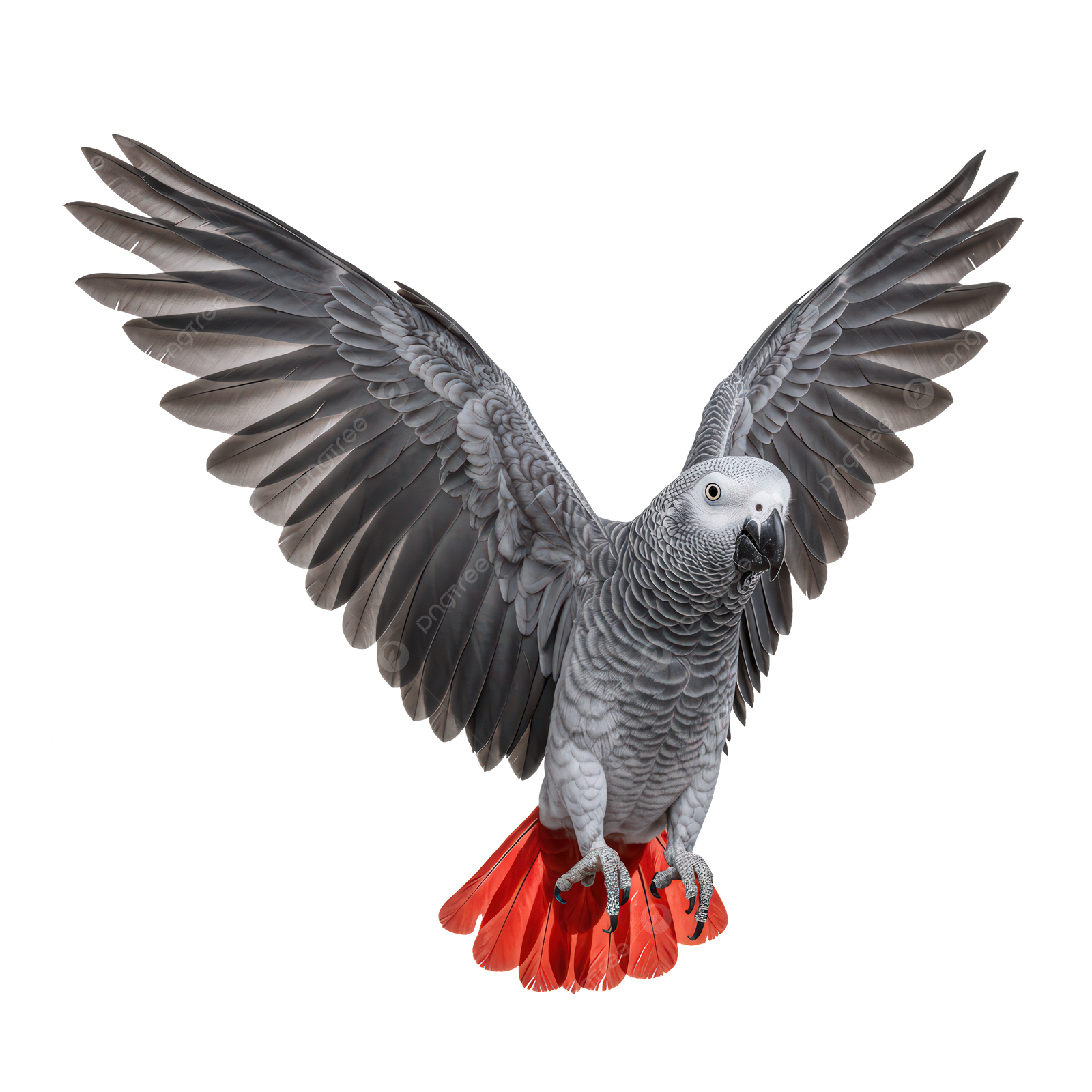
Do African Grey Parrots bite
Do African Grey Parrots bite? I hear this question constantly from people looking to bring one of these brilliant, sensitive birds into their lives. The short answer is yes, they can, but it is almost never a malicious act; it’s usually a language—a way for a bird that feels unheard to finally make its point clear. When I talk to my clients, I like to emphasize that a bite from an African Grey is really just a symptom of a deeper misunderstanding between a
human and their feathered companion. If you learn to read the subtle shifts in their posture and respect their boundaries, you’ll find that biting becomes an incredibly rare occurrence, replaced instead by a bond of mutual trust and communication.
Key Takeaways
- Biting is Communication: African Greys rarely bite to be “mean”; they bite because they are scared, territorial, hormonal, or feel their body language signals are being ignored.
- Read the Signs: Before a bite happens, your bird is likely telling you they are uncomfortable—watch for stiff posture, fluffed neck feathers, or lunging.
- Avoid Punishment: Shouting or punishing your parrot for biting only damages trust and often makes the behavior worse; instead, focus on positive reinforcement and removing the bird from the situation calmly.
- Prevention is Best: The most effective way to stop biting is to manage the environment, provide consistent routines, and never force an interaction when your parrot is clearly showing signs of distress.
Why Do African Grey Parrots Bite?
When I first started breeding and living with African Greys, I had to learn the hard way that these birds are emotional creatures. They have the intelligence of a young child and the heart of a wild animal, and they don’t have hands to push us away. When they want to say “I don’t like this” or “I am feeling overwhelmed,” they use the tools they have—their beaks.
Most people don’t realize that a parrot is a prey animal. In the wild, their survival depends on being hyper-aware of their surroundings. If you try to force them into a situation they aren’t ready for, or if you ignore their subtle cues—like pinning their eyes or backing away—they eventually feel they have no choice but to escalate to a bite to defend their personal space. I’ve seen so many new owners get discouraged, but really, it’s just a matter of learning a new language. You have to start seeing the world through their eyes.
Recognizing the Warning Signs
Before a bite ever occurs, your bird is usually giving you a “pre-flight” check. You might notice their body posture stiffening, or perhaps their feathers are held tight against their neck. They might lunge toward your hand, not necessarily to break the skin, but to warn you to back off. If you ignore these warnings, you are essentially telling your bird that their communication style doesn’t matter. Over time, this is how a bird learns to skip the warnings and go straight to the bite. I think that’s the most important thing to understand: we often accidentally “teach” them to bite by ignoring the polite requests they made first.
The Art of Managing “Do African Grey Parrots Bite” Concerns
I often get asked, “Mr. Parrot, how do I stop my bird from biting me?” and my advice is always the same: keep your hands to yourself until that trust is earned. It sounds counterintuitive, I know, because we want to cuddle our new pets! But when a bird is fearful or stressed, pushing your hand toward them is just adding fuel to the fire.
Instead, I recommend focusing on “hands-off” interactions. Can you talk to them calmly? Can you offer a treat from a distance? Can you simply exist in the same room while they play with their toys? These small, low-pressure interactions are how you build a relationship. Once the bird feels safe in your presence, they won’t feel the need to use their beak as a defensive tool.
Positive Reinforcement Over Punishment
I can’t stress this enough: please, never punish your bird for biting. I’ve seen people shout, flick the bird’s beak, or put them in “timeout” cages. All this does is teach your parrot that you are a predator who cannot be trusted. If you get bit, the best thing you can do is stay calm, detach the bird safely, and walk away. Don’t make a scene. By removing yourself, you are showing them that biting does not get them what they want. It’s about being boring when they bite and being incredibly interesting and rewarding when they make good choices.
A User’s Guide to Harmonious Living
Living with an African Grey is a marathon, not a sprint. If you are preparing to bring one home, or if you are currently working through some behavioral hurdles, here is a breakdown of how to foster a peaceful home environment.
1. The Environment is Everything
African Greys are highly sensitive to their environment. Do they have enough sleep? Are they on a healthy, balanced diet? Are they getting enough mental stimulation? A bored or overtired parrot is a cranky parrot, just like a toddler who missed their nap. Ensure they have plenty of enrichment toys to keep their busy minds occupied.
2. The Power of the Perch
If you need to move your bird and they are feeling “bitey,” don’t force your hand. Use a stick or a perch. This keeps your fingers safe and removes the pressure from the bird. It’s a great tool to help them transition to a new location without the fear-based reaction that might lead to a bite.
3. Consistency and Routine
These birds thrive on predictability. If you have a chaotic household, try to keep the bird’s area calm and consistent. When they know what to expect from their day, their anxiety levels drop, and the likelihood of reactive biting decreases significantly.
Top Considerations for Potential Owners
- Socialization: The more you expose your bird to calm, new experiences in a safe way, the more confident they will become.
- Health Checks: Sometimes, a sudden increase in biting can be a sign of pain or hormonal imbalance. Always have a trusted avian veterinarian on speed dial to rule out medical issues.
- Bonding: Focus on being the “good stuff” provider. You want to be the one who brings the treats, the toys, and the calm, soothing voice.
Conclusion
At the end of the day, the answer to “Do African Grey Parrots bite” is that they are living, thinking beings with their own moods and boundaries. They aren’t robots, and they aren’t machines that you can program to be “good.” They are partners. When you respect their space, listen to their body language, and commit to a relationship based on positive reinforcement, you will find that these birds are some of the most loving, intelligent, and rewarding companions you could ever hope to have. It takes time, yes, but the reward of a true, trusting bond with an African Grey is worth every bit of effort.
Frequently Asked Questions
Q: If my African Grey bites, should I say “No” firmly or put them in a cage to let them know they did something wrong?

A: I really advise against that. When a parrot bites, they are usually acting out of fear, frustration, or a need to communicate that they want you to stop doing something. If you yell “No” or put them in their cage as a punishment, you are likely just increasing their fear of you, which actually makes them more likely to bite in the future to keep you away. The best approach is to remain calm, avoid overreacting, and simply remove the bird from the situation—or better yet, identify the trigger so you can avoid that situation entirely next time. Remember, the goal is to build trust, not to dominate the bird. If you keep your hands away and give them space, they will learn that they don’t need to bite to be heard, and over time, that trust will blossom into a wonderful, bite-free friendship.