Do African Grey Parrots bite
Do African Grey Parrots bite? As a dedicated breeder at The African Grey Parrot Home, I, John, can tell you honestly: absolutely, yes, they do. Biting is a natural form of communication for any parrot, and African Greys, with their immense intelligence and sensitivity, use their beaks for far more than just eating. Understanding why an African Grey bites is the critical step to preventing it and building a trusting relationship with your highly intelligent companion.
Understanding Why Your African Grey Parrot Bites
A bite from an African Grey is rarely an act of unprovoked aggression; it is almost always a reaction or a communication of a deep underlying issue. When asking Do African Grey Parrots bite, we must shift the focus from the action to the motive. My experience with both the majestic Congo African Grey and the slightly smaller Timneh African Grey has shown me that the reasons fall into a few clear categories.
Fear and Territoriality
The most common reason for the answer to Do African Grey Parrots bite being “yes” is fear. Parrots are prey animals. When they feel threatened, scared, or surprised, their first line of defense is their formidable beak.
- Sudden Movements: A quick hand movement, a surprising noise, or a new person approaching the cage too fast can trigger a defensive reaction.
- Territorial Aggression: The cage is their safe space—their African Grey Parrot Home. An African Grey may become territorial around its cage, food bowl, or even a favourite person. If you try to reach into the cage or move something they consider theirs, they might bite to defend their perceived boundary. This behavior is common in breeding pairs but can also occur in pets, especially during breeding seasons in areas with distinct seasonal changes, like in states such as New Jersey or Michigan.
- Poor Socialization: A bird that was not properly hand-raised or exposed to various people and environments (like a busy street in Boston or the quiet suburbs of Dallas) may be more fearful and rely on biting to keep the scary world away.
Hormonal Changes and Seasonality
Parrots are heavily influenced by hormonal cycles, which usually peak in the spring and early summer.
- Mating Season Irritability: During this time, the Congo African Grey especially can become unpredictable, moody, and highly protective of their space and chosen human “mate.” Even a small misstep in handling can result in a quick, hard bite.
- Nesting Behavior: Increased shredding, hiding, or guarding of dark places (like under furniture) can indicate nesting. When disturbed during this phase, a Timneh African Grey is very likely to bite to protect its perceived nest site.
Seeking Attention and Communication
Believe it or not, sometimes the answer to Do African Grey Parrots bite is simply that they have learned it is an effective way to get your attention.
- Negative Reinforcement: If your Timneh African Grey nips your finger, and you immediately pull away, yell, or return them to the cage, the bird learns: Bite = I get a reaction/I get to go back to my safe spot. This is a powerful, though negative, form of communication.
- “Step-Up” Refusal: If your parrot doesn’t want to come out or go back in, a bite is their clear, non-verbal way of saying “No.”
Preventing the African Grey Bite: Training and Environment
The key to reducing biting is through positive reinforcement training, environmental management, and learning to read your bird’s body language.
Reading African Grey Body Language
Long before a bite happens, your African Grey Parrot will give clear signals. Learning to recognize these is crucial:
- Pinning Eyes: Rapid dilation and constriction of the pupils, often called “pinning,” indicates high arousal—excitement, fear, or aggression. When you see this, stop what you are doing.
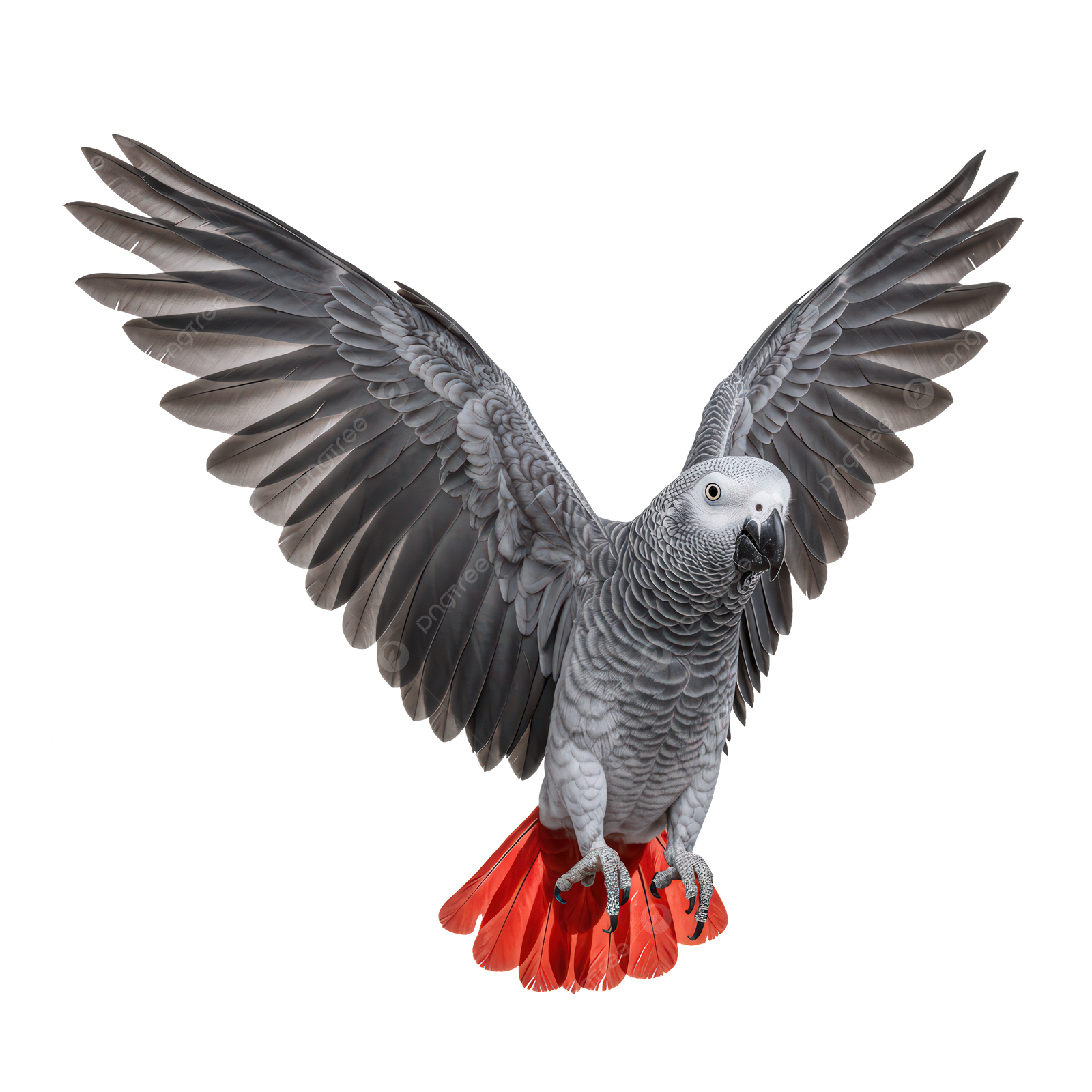
- Flaring Tail/Fanned Feathers: Flaring the tail feathers or holding body feathers tight against the body often signals irritation or defensiveness.
- Hissing/Growling: A low, guttural noise is a clear warning sign. Respect it!
- Raised Crest: While they don’t have large crests, the slight raising of the head feathers is an indication of alertness or agitation.
Positive Training Techniques
When we ask Do African Grey Parrots bite less with proper training, the answer is unequivocally yes.
- The “Step-Up” Command: Teach your Congo African Grey to step onto your hand on command. Reward successful steps immediately. If they refuse or nip, simply withdraw your hand and try again in 30 seconds. Never force the issue.
- Bite Pressure Training: If a bird gives a soft test-nip, a calm, quick verbal cue like “Gentle” or “No Bite” should be used, followed by a slight repositioning of your hand or a momentary withdrawal. Do not scream or drop the bird. Over-reaction is what the bird is often seeking.
- Redirection: If your Timneh African Grey begins to fixate on something it shouldn’t, immediately redirect its attention with a favourite toy or a preferred task. For example, if it’s chewing on the cage bars aggressively, hand it a shreddable toy instead.
Handling Hormones and Territoriality
Addressing the hormonal aspects is essential for a harmonious African Grey Parrot Home, regardless of whether you live in a warm state like Florida (cities like Tampa or Orlando) or a cooler region.
Managing Hormonal Triggers
Hormones can make any African Grey Parrot bite. Minimize environmental triggers:
- Limit Dark Spaces: Do not allow your bird access to dark, enclosed spaces (under furniture, inside closets) that mimic a nest cavity.
- Appropriate Diet: Reduce the amount of high-fat, high-sugar, soft, and warm foods during peak spring months, as these mimic feeding a mate and can boost reproductive hormones. A high-quality pellet diet supplemented with fresh vegetables is best.
- Sleep: Ensure your Congo African Grey receives 10-12 hours of uninterrupted, dark sleep every night. Proper rest helps regulate hormone levels and mood.
The Towel Technique for Safety
Learning how can I tell the difference between a Congo and a Timneh African Grey’s biting behavior can also involve specialized handling. For highly defensive birds or during times of hormonal aggression, the use of a towel is a safe, non-punitive tool.
- Towel Training: Gently introduce a towel as a positive thing. Drape it over them, offer a treat, and remove it. When your African Grey Parrot accepts the towel calmly, it becomes a safe way to move or handle them without putting your fingers at risk of a severe bite.
When the Bite is Severe: Seeking Professional Help
A serious, sustained bite that draws blood is a sign that the relationship needs resetting. This is when the question of Do African Grey Parrots bite is replaced by How do I stop my African Grey from biting?
At this stage, John advises seeking a certified avian behavior consultant. They can analyze the entire environment and routine of your African Grey Parrot Home—from the cage setup to your interaction style—to diagnose the root cause of the severe biting. Remember, a professional is not there to judge but to help you and your intelligent companion live together happily.
When we consider the incredible lifespan and cognitive ability of these birds, investing the time to understand why a Congo African Grey or Timneh African Grey communicates with a bite is the single most important commitment you can make. Every bird, whether they reside in a bustling town near San Francisco or a remote area of Nevada, deserves an owner dedicated to mutual respect and positive training. The goal is a confident bird that rarely needs to answer the question Do African Grey Parrots bite with a painful demonstration.