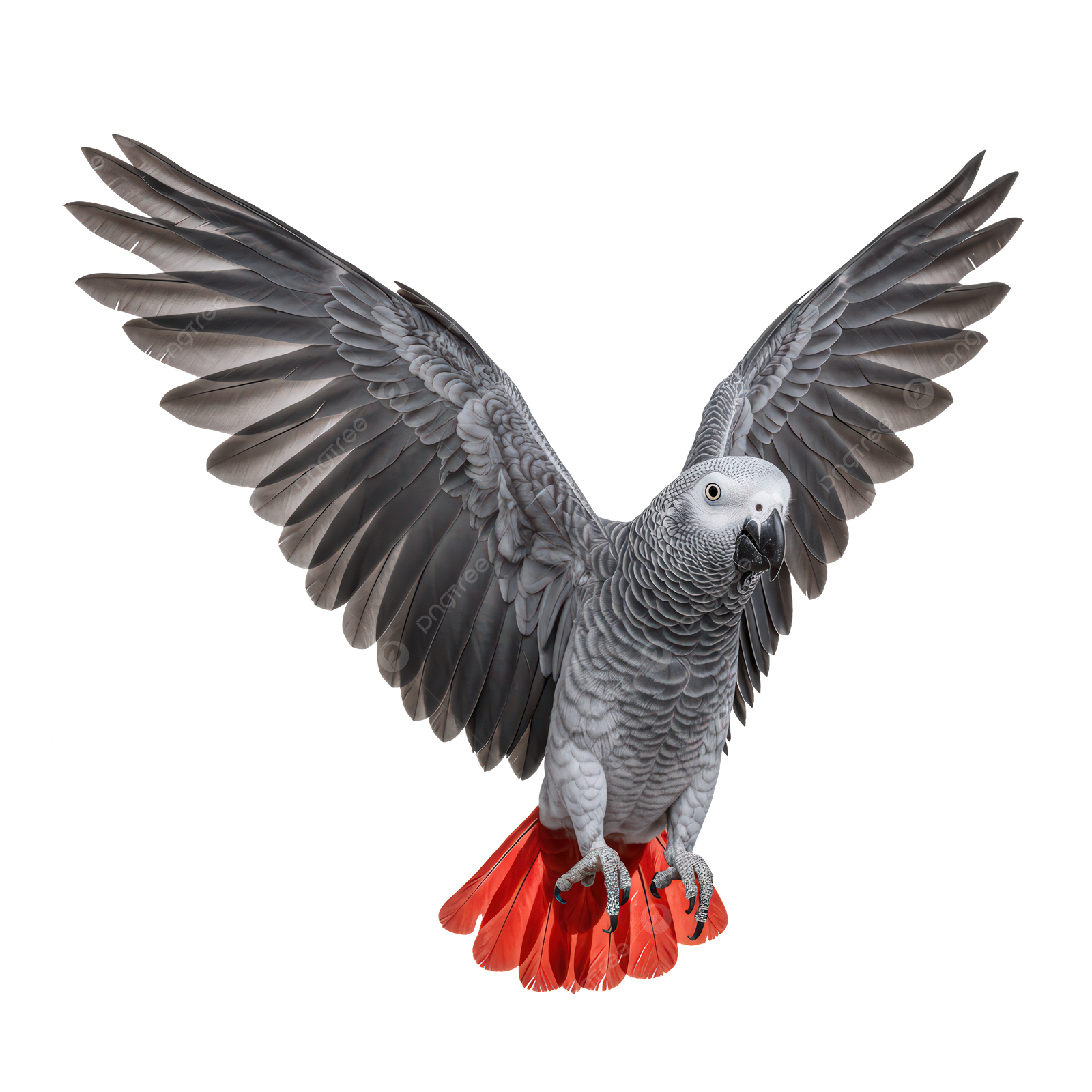
African Grey breeders in Norway
African Grey breeders in Norway are the essential starting point for anyone looking to welcome these brilliant, emotionally complex parrots into their lives, yet finding the right source is about much more than just a quick sale. As someone who has spent years in the avian world, I’ve learned that bringing an African Grey home is a
monumental life change; they aren’t just pets, but rather feathered family members with the intelligence of a toddler and a lifespan that can reach half a century. If you’re truly ready to commit to this journey, you need a breeder who prioritizes the bird’s long-term health and well-being over a quick profit, which is why doing your homework before you ever put down a deposit is the most critical step you’ll take.
Key Takeaways
- Legal Compliance: Always verify that the breeder provides valid CITES documentation, as African Greys are protected species; this paperwork is mandatory for legal ownership and future rehoming.
- Health and Identification: A reputable professional will always use a closed, permanent leg ring or microchip for identification and provide a clean bill of health from an avian-specialized veterinarian.
- Commitment: These parrots are not suitable for casual owners; they require immense social interaction, a varied diet, and a home environment free of toxic fumes like non-stick cookware.
- Due Diligence: Never rush the process. A good breeder will ask you as many questions as you ask them to ensure you are capable of meeting the bird’s high-maintenance needs.
Finding Trusted African Grey Breeders in Norway
When you are hunting for African Grey breeders in Norway, it’s easy to get lost in online listings, but I always suggest looking past the first result you see. A truly dedicated breeder operates with transparency. They don’t just have “birds for sale”; they have a passion for the species’ conservation and welfare. I’ve personally seen the difference between a bird raised in a sterile, mass-production environment and one raised with human interaction and proper weaning techniques—the latter is far more confident, less prone to stress, and significantly better at adjusting to a new family home.
When I talk to people looking for African Grey breeders in Norway, I tell them to ask for photos of the facility. Are the cages clean? Do the birds look engaged and curious? A breeder who refuses to show you where the birds are kept is hiding something. You want to find someone who treats their parrots like members of their own household. It’s perhaps a bit old-fashioned, but I believe in talking to them on the phone or, if possible, visiting the site. You can hear the care in someone’s voice when they talk about their birds’ diets or their unique personalities.
The Importance of Legal Documentation in Norway
I cannot stress this enough: African Grey parrots (Psittacus erithacus) are listed under CITES Appendix I. This means that in Norway, as in the rest of the EU and beyond, they have a high degree of protection to prevent illegal trade. When you are scouting African Grey breeders in Norway, you must ensure they provide you with an individual CITES certificate for the specific bird you are purchasing.
I think some people get intimidated by the paperwork, but it’s actually a sign of a high-quality breeder. If someone tells you, “Oh, you don’t need papers,” walk away. Without that certificate, you aren’t just risking legal trouble; you’re potentially supporting the illegal wildlife trade. Always ask if the chicks are rung with a closed, indelible band. It’s the standard mark of a captive-bred bird, and it should match the registration number on your paperwork.
Creating a Perfect Environment for Your African Grey
Once you’ve found one of the top African Grey breeders in Norway and selected your companion, the real work starts. These birds are sensitive. Their respiratory systems are incredibly delicate, so things like Teflon-coated pans—which release fumes when overheated—can be fatal in minutes. You’ll need to bird-proof your home, ensuring no toxic houseplants are within reach and that your living room is a safe, stimulating space.
In my experience, owners often underestimate the mental load. An African Grey needs hours of stimulation every single day. I’m talking about puzzle toys, foraging opportunities, and just plain social time. If you leave them alone in a cage for ten hours a day, they will likely develop behavioral issues like feather plucking or screaming. They need a partner, not a prop.
Guide for Prospective Parrot Owners
If you are just starting your search, here is a simple path to follow to ensure you are dealing with ethical African Grey breeders in Norway:
- Research Local Societies: Start by contacting local bird clubs or avian hobbyist groups. They usually have the “inside scoop” on who the reputable, long-term breeders are in the region.
- Verify the CITES Status: Never hand over money until you have physically seen the CITES documentation for the specific bird.
- Ask About Weaning: A bird that was “force-weaned” or rushed into independence is a bird that may have lifelong anxiety. A good breeder lets the parrot grow at its own pace.
- Plan for Vet Care: Before the bird comes home, find a vet in your area who specifically treats exotic birds. Don’t assume your neighborhood dog/cat clinic can handle a parrot.
Conclusion
Bringing an African Grey into your home is a decision that spans decades. By taking the time to thoroughly vet African Grey breeders in Norway, you are doing more than just buying a pet; you are setting the foundation for a lifelong bond. These birds are brilliant, demanding, and incredibly rewarding if you give them the environment they need to thrive. Take your time, don’t cut corners, and always prioritize the health and legal standing of your future companion. It’s a big step, but if you do it the right way, it’s one of the best journeys you’ll ever take.
Frequently Asked Questions
Q: What are the legal requirements for keeping an African Grey parrot in Norway?

A: In Norway, it is legal to keep an African Grey as a pet, but you must ensure it is captive-bred and possesses valid CITES documentation (Article 10 certificate) to prove its legal origin. Under the Animal Welfare Act, owners are legally obligated to provide appropriate care, including sufficient space, proper nutrition, and medical attention. It is strictly prohibited to own or trade wild-caught specimens, and you should always work with registered breeders who comply with Norwegian food safety and animal welfare standards.