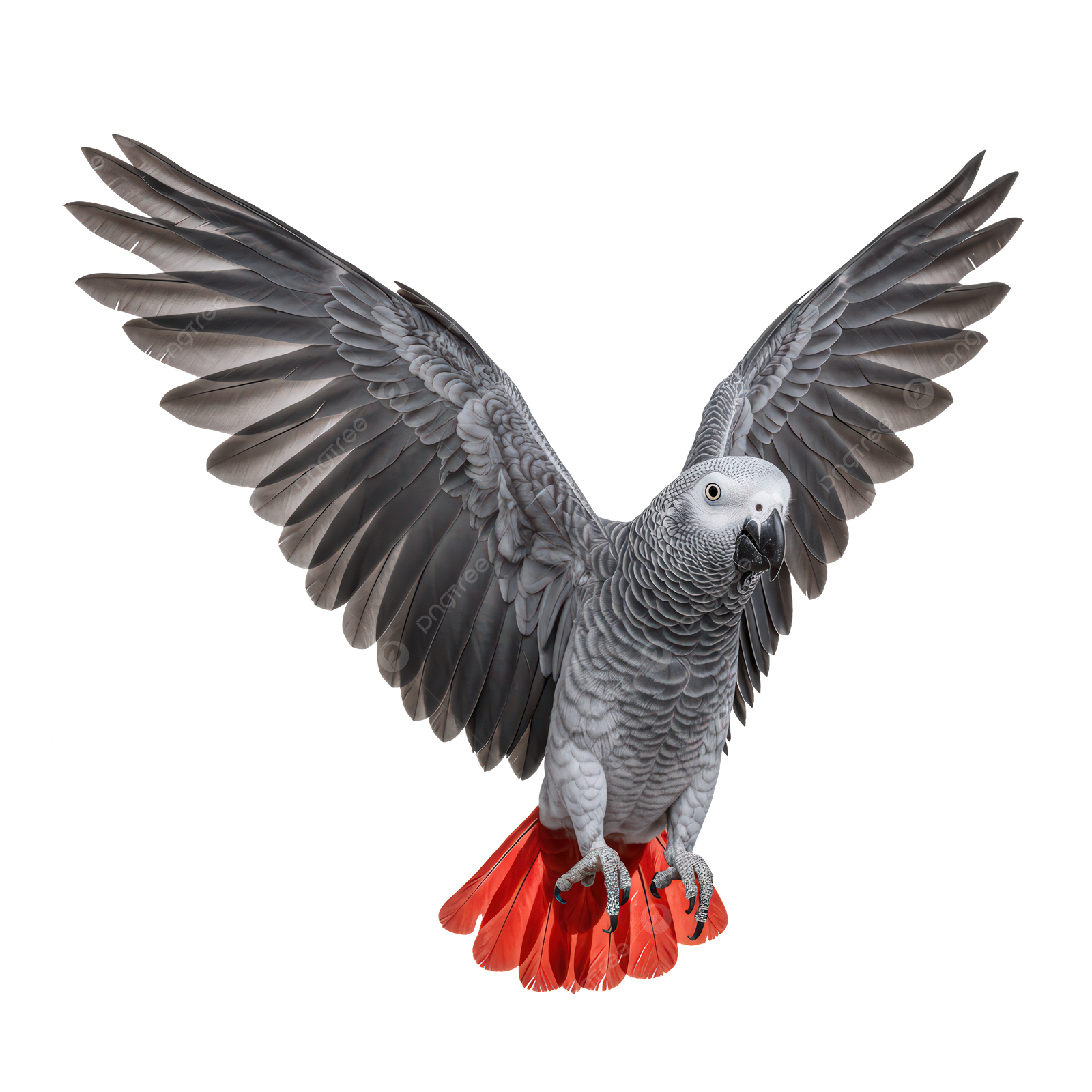
African Grey breeders in New York
African Grey breeders in New York are a vital resource for anyone looking to bring one of these brilliant, sensitive companions into their home, as finding the right start—with a healthy, well-socialized bird—is truly everything. As a breeder myself, I know that bringing an African Grey into your life isn’t just about a transaction; it’s a massive, multi-decade commitment to a bird that is essentially as smart as a toddler and just as needy. If you are looking for
African Grey breeders in New York, you need to understand that these aren’t your typical “plug and play” pets. They require immense patience, deep social engagement, and a home that can handle their high-level intellect, which is why I’m here to walk you through what to expect when searching for that perfect, intelligent companion.
Key Takeaways
- A Lifelong Bond: African Greys can live 40+ years, so this is a commitment that spans decades, not years.
- Social Needs: These birds are highly social and require at least 5 hours of interaction and enrichment daily to avoid behavioral issues like depression or feather plucking.
- Dietary Precision: A “seed-only” diet is dangerous; they need high-quality pellets, fresh vegetables, and calcium-rich foods to thrive.
- Breeder Accountability: When searching for African Grey breeders in New York, always prioritize those who allow site visits, provide health guarantees, and are willing to talk to you about the “real” challenges of owning this species.
Why Choosing the Right African Grey Breeder in New York Matters
When you’re on the hunt for African Grey breeders in New York, it’s easy to get distracted by photos of cute babies or quick-sale offers. But stop for a second—think about the foundation. I’ve seen it happen time and again: a new owner finds a bird from an questionable source, and six months later, they are struggling with a bird that has behavioral problems or, worse, chronic health issues.
True African Grey breeders in New York should be your partners in this journey. I don’t just sell birds; I look for homes where the bird will be part of the “flock.” If a breeder doesn’t ask you hard questions about your schedule, your home, and your experience with birds, that’s a red flag. A responsible expert knows that an African Grey is a life-changing responsibility. You aren’t just buying a pet; you’re adopting a family member.
The Reality of Owning an African Grey
I think it’s important to be honest: African Greys are not for everyone. They are exceptionally observant. They learn your routine, your habits, and even your mood before you walk through the door. If you want a bird that just sits in a cage and looks pretty, this isn’t the species for you. They need to be in the center of the action.
What Your New Companion Needs from You
- Mental Stimulation: If you aren’t providing puzzles, foraging toys, and daily training, a Grey will find its own (often loud or destructive) entertainment.
- Dietary Variety: Please, move past the seed-only mindset. A healthy Grey diet consists of roughly 60–70% high-quality pellets, with the rest coming from fresh, dark leafy greens, vegetables, and fruit.
- The “Flock” Factor: They bond intensely. If you are gone for 10 hours a day, you will need a plan for social interaction. They crave being included in the day-to-day life of their humans.
- Safety First: Their respiratory systems are incredibly sensitive. No Teflon/non-stick cookware, no plug-in air fresheners, and definitely no cigarette smoke.
Finding Ethical African Grey Breeders in New York
When vetting African Grey breeders in New York, look for transparency. Can you see where the birds are kept? Are the babies hand-reared in a clean, stimulating environment? A professional breeder will be proud to show you their facility. They should provide you with health records and be willing to mentor you after the bird goes home.
Finding African Grey breeders in New York might also lead you to specialized shops like Parrots of the World in Rockville Centre, which has a long history of expertise. However, regardless of where you go, always ask about the bird’s socialization. Was it reared in a group? Is it used to household noises? These early life experiences shape the bird’s entire personality.
User Guide: What to Look For Before You Buy
If you are currently evaluating African Grey breeders in New York, keep this checklist handy. It’s what I tell my own clients to look for:
- Health Guarantees: Does the breeder offer a post-purchase vet check window?
- Socialization History: Are the birds handled daily? Do they have exposure to various people?
- DNA Testing: African Greys are monomorphic (males and females look the same), so DNA sexing is standard practice.
- Ongoing Support: Will the breeder take your call when you have a question about diet or behavior in three months?
Top Considerations for Potential Owners
I often find that people come to African Grey breeders in New York because they want a bird that can talk. And yes, they are the best talkers out there. But remember, they are mimicking sounds and words because they want to communicate with their flock—you. If you focus only on the “talking” aspect, you’ll miss out on the incredible bond of trust that develops when you really learn to read their body language.
Conclusion: Making the Right Choice
Bringing home an African Grey is one of the most rewarding things you will ever do, provided you’ve done the work. By taking your time to find reputable African Grey breeders in New York, you’re ensuring that your new companion has the best possible start. It’s a big, beautiful, sometimes chaotic journey, but when that bird trusts you enough to lean in for a scratch, you’ll know every bit of research was worth it. Choose a breeder who shares your passion for the bird’s well-being, and you’ll find that you have a friend for life.
Frequently Asked Questions
Q: Why are African Greys considered high-maintenance pets compared to other parrots?

A: African Greys are exceptionally intelligent and emotionally complex, which means they have high social and cognitive needs that go beyond simple “cage time.” They require hours of daily interaction, mental enrichment (like puzzles and training), and a stable, non-toxic environment to thrive, and because they are so sensitive to their environment and the emotions of their owners, they can easily develop behavioral issues—like feather plucking or extreme fear—if they feel bored, isolated, or neglected.