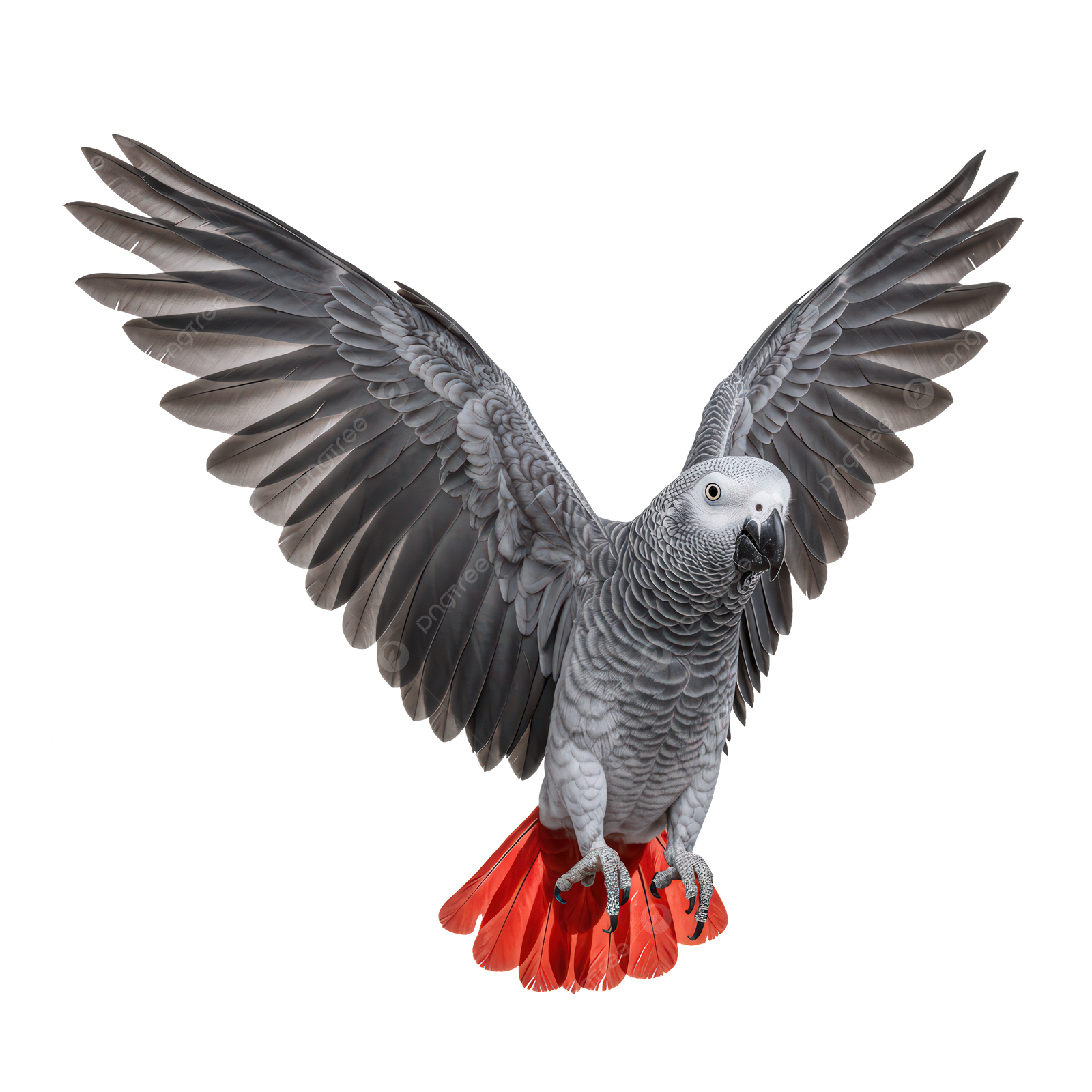
African Grey breeders in Denmark
African Grey breeders in Denmark are the vital connection between you and one of the most intellectually gifted companions on the planet, yet navigating the path to responsible ownership requires patience, deep research, and a clear understanding of the legal landscape. As a breeder, I’ve seen many people rush into this decision simply
because they find these birds beautiful or talented at mimicry, but owning an African Grey is a commitment that can easily last 50 years; it’s not just a pet, it’s an intelligent, emotional partner that will change your daily life, your home environment, and even your travel plans.
Key Takeaways
- Legal Compliance: African Greys are listed under CITES Appendix I, meaning any commercial sale requires proper documentation (Article 10 certificates or equivalent EU permits) to prove the bird is captive-bred and legally acquired.
- Health and Identification: Always prioritize birds with a closed, permanent leg ring or a microchip, which serves as a vital identifier for legal and health tracking.
- Commitment: These parrots require hours of daily social interaction, a specialized diet beyond simple seeds, and a home free of dangerous airborne toxins like non-stick cookware fumes.
- Expert Guidance: Never settle for the first seller you find; look for breeders who are willing to mentor you and who provide proof of health screenings from avian-specialized veterinarians.
The Search for Responsible African Grey Breeders in Denmark
When you start looking for African Grey breeders in Denmark, the sheer volume of online advertisements can be overwhelming, and frankly, a little intimidating. I always tell people that the most important trait in a breeder isn’t the number of chicks they produce, but the transparency they offer. You want someone who treats their birds like family—not inventory. I’ve visited many setups over the years, and you can instantly tell the difference between a facility that prioritizes volume and one that prioritizes the bird’s psychological well-being. A high-quality breeder will likely interview you, asking about your experience, your home environment, and your ability to commit to such a long-lived animal.
If you are just starting your search for African Grey breeders in Denmark, take a step back and don’t be afraid to ask the hard questions. Ask to see the living conditions. Ask about the weaning process—birds that are rushed through weaning often suffer from behavioral issues like anxiety or feather plucking later in life. A patient, experienced breeder will understand why you’re asking these things and will be happy to provide the answers. They care about where their babies end up, and they want to be sure you are the right fit.
Understanding the Legal Framework for African Grey Parrots
In Denmark, as across the European Union, the status of the African Grey is strictly protected due to their CITES Appendix I classification. This isn’t just “paperwork”—it is the law. When engaging with African Grey breeders in Denmark, it is non-negotiable that the bird comes with valid, legal documentation. This is your proof that the bird was legally bred in captivity and is not part of the illegal, devastating wildlife trade that has put this species at risk in the wild.
If a seller tells you that the paperwork is “optional” or “not needed for a pet,” please, walk away. Without that documentation, you may be unable to legally sell or rehome the bird later in life, and you could be inadvertently supporting illegal practices. Every reputable breeder knows the rules and will ensure you have the necessary paperwork in your hand the moment you finalize the adoption.
Creating a Stimulating Home for Your New Companion
Once you’ve found the right partner through the top African Grey breeders in Denmark, your home needs to be ready. These parrots are incredibly sensitive to their surroundings. I often talk to new owners who are shocked to learn that their kitchenware could be a danger. Many non-stick pans release invisible, odorless fumes when overheated that can be fatal to a parrot’s delicate respiratory system in minutes.
Beyond safety, you have to think about stimulation. These birds are geniuses—they solve puzzles, they learn your habits, and they require a variety of toys and social challenges. I’ve seen African Greys become bored and destructive because they didn’t have enough to do. You need to be prepared to give them daily, focused time where they are treated as an active part of your life, not a decoration in a cage.
Guide to Selecting and Supporting Your Bird
If you are feeling a bit lost, here is how I suggest you approach the process:
- Network Locally: Contact local Danish bird societies or avian hobbyist groups. These people have seen it all and know which breeders have a consistent, high-standard reputation.
- Verify the Paperwork: Before you pay a single Krone, ensure you have seen the CITES documentation for both the chick and its parents.
- Check the Health: A closed ring on the leg is a standard indicator of a captive-bred bird in most of Europe. Pair this with a health check from a vet who specifically knows how to handle exotic birds.
- Plan for the Future: Since these birds can live for decades, ensure you have a “plan B” in place if your circumstances change.
Conclusion
Choosing among the various African Grey breeders in Denmark is the single most important step in beginning your life with one of these magnificent birds. By focusing on breeders who are transparent about their legal documentation, prioritize the health of their birds, and care deeply about their lifelong outcomes, you are ensuring the best possible start for your new companion. It takes time, yes, and it requires a lot of preparation, but when you look into the eyes of an intelligent, well-socialized African Grey, you’ll know every bit of that effort was worth it.
Frequently Asked Questions
Q: What are the specific legal regulations for keeping an African Grey parrot in Denmark?

A: In Denmark, keeping an African Grey parrot is legal provided the animal is captive-bred and possesses all necessary CITES documentation (such as an Article 10 certificate) to prove its legal status. Under Danish animal welfare laws, owners are required to provide an environment that meets the species’ specific biological and social needs, including appropriate housing, nutrition, and veterinary care. Because African Greys are an Appendix I species, it is strictly forbidden to trade or possess wild-caught individuals. Always ensure your breeder provides the official paperwork at the time of sale, as this will be required for any future legal transfer or registration.