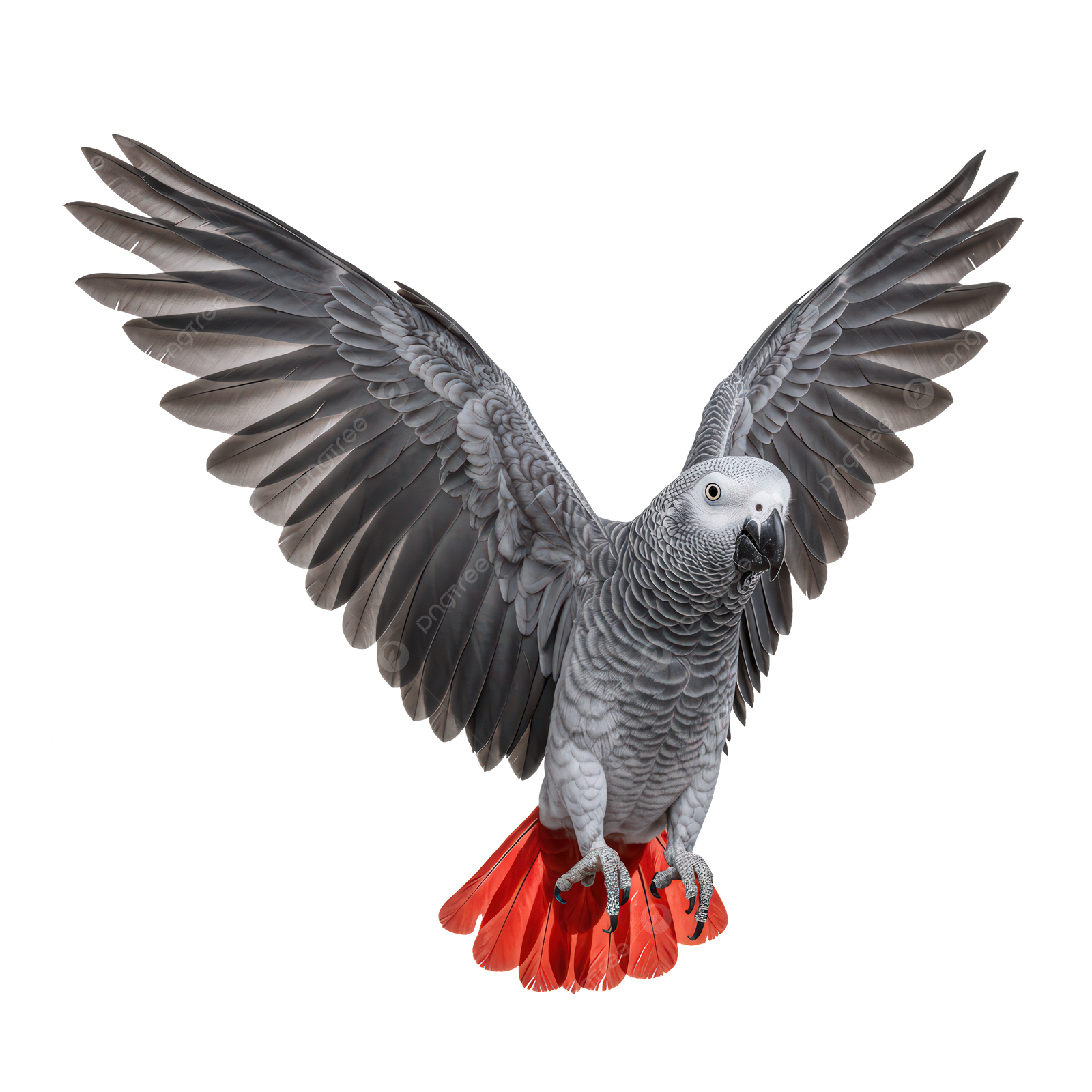
African Grey Parrot Grooming Guide is essential for any owner who wants to ensure their intelligent companion stays comfortable, healthy, and happy, though it’s far less about “styling” and more about supporting their natural self-care habits. I’ve been breeding these birds for years, and if there is one thing I’ve learned, it’s that most of the
“grooming” work is actually done by the bird itself. My job—and yours—is simply to provide the right environment, the right nutrition, and the occasional gentle assistance so they can maintain that beautiful, healthy plumage without unnecessary stress. It’s a bit of a dance, really; you have to balance being helpful with knowing when to step back and let your bird handle their own preening.
Key Takeaways
- Voluntary Bathing: Always let your parrot choose when to bathe. Forcing a bath can lead to fear and long-term stress.
- Natural Grooming: African Greys are masters at “dry grooming” using their powder down, so don’t feel like you need to scrub them down constantly.
- Beak & Nail Health: Provide a variety of perches and chewable toys to help your bird wear down their nails and beak naturally, reducing the need for manual trimming.
- The Power of Humidity: A light misting with lukewarm water can mimic a tropical rain shower and keep skin hydrated, especially during molting seasons.
- Safety First: When a manual trim is required—for nails or wings—always consult an avian veterinarian or a professional to avoid injury to the quick or the bird’s delicate balance.
Understanding the African Grey’s Natural Grooming Routine
When you bring home an African Grey, you’re welcoming an animal that spends hours every day meticulously preening its feathers. In the wild, they use their preen gland and, more importantly, their specialized “powder down” feathers to keep their plumage in tip-top shape. This dust is actually a vital part of their hygiene, acting as a natural protectant. I’ve noticed that some owners get a bit obsessive about “dusting off” their bird, but honestly, that powder is supposed to be there.
Trying to force a grooming routine on a bird that isn’t ready is a classic mistake. If your bird isn’t interested in a bath, don’t push it. I usually tell my clients to offer a shallow dish or a gentle misting spray and just leave it at that. Let them decide if they want to hop in. When they’re ready, they’ll usually fluff up and start fluttering their wings—it’s the most adorable sight, really.
Practical Tips for the Best Grooming Experience
While they are excellent at self-maintenance, you can help them along without becoming a “grooming obsessive.” Here’s how I handle the basics:
- Bathing: Aim for 2–3 times a week, but only if they want it. Warm water (around 29–32°C or 85–90°F) is perfect. Never spray them directly in the face; just mist the air above them and let the water settle on their back.
- Perches: I cannot stress this enough—get a variety of perch textures. Natural branches, rope, and even textured perches (if used sparingly) help wear down nails naturally so you don’t have to stress your bird out with clippers every few weeks.
- Dietary Support: A bird that is getting all its vitamins will have stronger, healthier feathers. If your Grey’s feathers look dull, look at their bowl before you look for a “grooming spray.”
When to Seek Professional Help
There are times when you need an expert, and there’s no shame in admitting that. If your bird’s nails are getting too long and curling, or if they’ve developed a “hook” that’s getting caught in toys, it’s time to see a pro. I always tell my owners: if you aren’t 100% confident, don’t do it yourself. Nicking the “quick” of a nail is painful for the bird and can turn a simple grooming session into a scary, bleeding emergency. Most vets are happy to do a quick trim; it’s safer for the bird and much better for your relationship with them.
Top Recommended Grooming & Enrichment Tools
If you want to support your bird’s health, focus on these items rather than “grooming kits”:
- Variety of Natural Wood Perches: For foot health and nail wear.
- Foraging Toys: These keep the beak busy and naturally conditioned.
- Mister/Spray Bottle: For those tropical-style showers.
- Styptic Powder: Always keep this in your “bird emergency kit,” just in case a nail gets nicked.
Conclusion: Trust the Process (and the Bird)
The most important part of an African Grey Parrot Grooming Guide is realizing that less is often more. Your bird is incredibly capable of keeping themselves beautiful if you provide the right tools, a clean cage, and a stress-free environment. Don’t rush the bonding process just to get a nail trim done. If you prioritize their trust and comfort, you’ll find that they become much more amenable to the “forced” stuff when it actually becomes necessary. Take your time, keep the environment calm, and enjoy the quiet moments while they preen. It’s one of the most natural, peaceful behaviors you’ll ever witness.
Frequently Asked Questions
Q: My bird seems scared of the spray bottle; should I force them to bathe using it for their own good?
A: Absolutely not. Forcing a bath—or any grooming task—on a scared bird is the fastest way to ruin your bond. If they are afraid of the spray bottle, try a shallow water dish instead. Sometimes, I’ve even seen birds that prefer a wet leafy vegetable or a dripping faucet. Every Grey is different, so be patient and let them dictate the pace. If they are truly dirty and you are worried about their health, consult with an avian vet rather than trying to force a traumatic cleaning session at home.