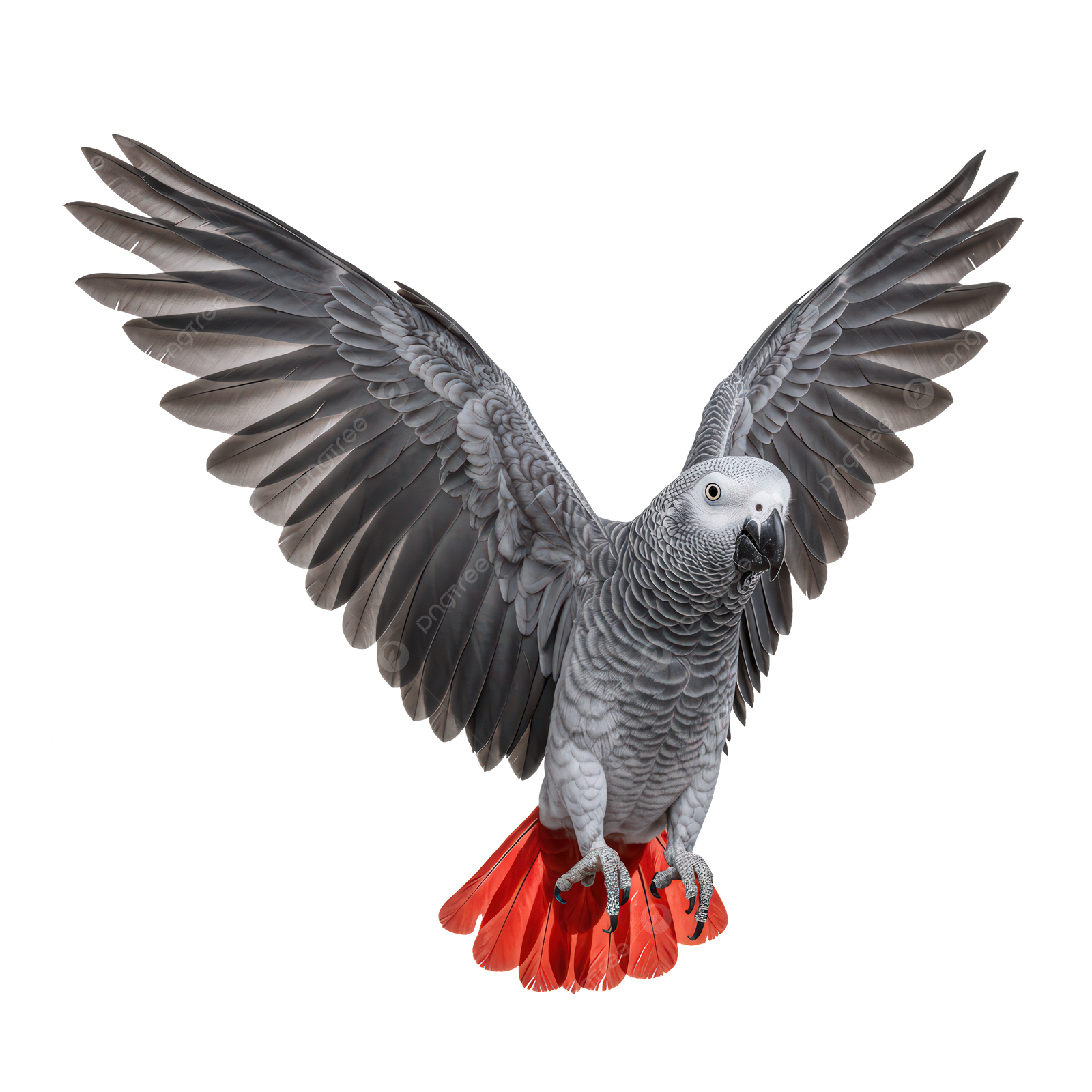
How can I train my African Grey Parrot to talk
How can I train my African Grey Parrot to talk is arguably the most exciting question new owners ask, and it’s no wonder! African Greys, particularly the Congo African Grey, are renowned as the world’s best talkers. Here at The African Grey Parrot Home, I, John, have spent decades nurturing the verbal potential of these intelligent birds. While every parrot, including the slightly smaller Timneh African Grey, has individual abilities, successful talking hinges on patience, consistency, and making the learning process fun and engaging for your new companion.
Understanding the African Grey’s Unique Vocal Abilities
When addressing how can I train my African Grey Parrot to talk, we first need to appreciate that they don’t just mimic—they often learn to use words in context. This incredible cognitive ability is what sets them apart. They link sounds to objects, emotions, or actions.
Congo vs. Timneh: Vocal Timelines
While both subspecies are excellent communicators, their verbal development can differ, which is important to consider when you start training.
- Timneh African Grey: Often starts talking earlier, sometimes as young as six to eight months old. They are quick to pick up simple words and sounds, though their voice may sound a bit higher or “raspier.” If you live in a bustling city like Seattle or Portland, a Timneh might quickly mimic phone rings or car horns.
- Congo African Grey: Typically starts later, often after one year of age, sometimes even closer to two. However, once they begin, their ability to mimic tone, pitch, and voice inflections is often considered superior, making it sometimes impossible to tell the bird from the person they are mimicking.
Understanding this timeline manages expectations as you figure out how can I train my African Grey Parrot to talk. Don’t be discouraged if your young Congo African Grey isn’t speaking at six months—it’s just building up its repertoire.
Step-by-Step Guide: How can I train my African Grey Parrot to talk
The training process should never involve force or punishment. It must be a positive, one-on-one interaction that strengthens your bond with your African Grey.
1. The Power of Association and Context
African Greys learn best by associating a sound with an action or object. This is far more effective than just playing a repetitive recording.
- Target Words: Start with simple, high-value words related to their daily life. “Hello,” “Bye-bye,” “Good bird,” or the names of favourite foods like “Apple” or “Nut.”
- Use Context: Always say the word in context. When you walk into the room, say “Hello, John’s back!” When you leave the room, say “Bye-bye!” When you hand them a treat, say “Treat!” Repeat this association consistently. If you’re based in a town like Albany, New York, or a suburb of Miami, ensure every family member uses the same word for the same action. This clarity helps the African Grey distinguish the language.
- Emotional Tone: Speak with a high-pitched, excited, and happy tone. Parrots, including the Timneh African Grey, often respond better to animated voices.
2. Short, Consistent Training Sessions
Don’t overwhelm your bird. Effective learning happens in short, focused bursts.
- Daily Focus: Aim for two to three dedicated 5 to 10-minute sessions per day. This is focused time where you are paying attention only to your bird, without distractions like the TV or phone.
- Repetition is Key: Repeat the target word or phrase clearly and slowly, up to twenty times in a single session. For example, if teaching your Congo African Grey its name, repeat “Congo! Good Congo!” while looking directly at it. Consistency across weeks, not days, is what determines success when asking how can I train my African Grey Parrot to talk.
3. The Environment and The Invisible Flock
The environment you create in your African Grey Parrot Home plays a huge role in encouraging communication.
- Background Chatter: Greys are motivated to talk because they believe they are communicating with their flock (you). Provide background sound that sounds like a flock. Leaving the radio on a talk station or classical music while you are out in, say, Los Angeles or Chicago, can encourage them to vocalize and practice their sounds.
- Isolation Technique (Use with Caution): Some breeders find that isolating the bird slightly during a training session can focus their attention. For example, moving them to a quiet corner of the room in Denver or Houston for a 10-minute session can minimize distractions. Immediately return them to their main area afterward. Never isolate the bird for long periods, as this can cause stress.
Advanced Techniques for Developing Speech
Once your African Grey has a few simple words, you can expand their vocabulary and encourage conversational skills.
Using a “Teaching Assistant” (Recordings)
Recordings can be a useful tool, but they shouldn’t replace human interaction.
- Targeted Loops: Record yourself clearly saying the target word or phrase and play it back on a loop for short periods while you are busy, perhaps running errands in Phoenix or driving around the towns near Atlanta. The advantage is that the voice is always clear and consistent.
- Location Association: A neat trick I use at The African Grey Parrot Home is to record a sound and play it only in a specific location. For example, play the phrase “Want water” only when you are near the water dish. The Congo African Grey will quickly link the sound to the object.
The Power of Praise and Non-Food Rewards
When figuring out how can I train my African Grey Parrot to talk, the rewards are vital.
- Instant Reward: The moment your Timneh African Grey produces the desired sound, even if it’s garbled, react with over-the-top enthusiasm! Say “Good bird!” Clap your hands, and give them their favourite scratch or toy. The verbal praise and affection are often more motivating than food, especially for a highly social African Grey.
- Never Punish: If your bird screams, squawks, or makes undesirable noises, ignore them completely. Giving any attention, even negative attention (like yelling “Be quiet!”), rewards the unwanted behavior. When they are quiet or make a positive sound, reward them immediately.
Addressing Roadblocks in African Grey Talking Training
It’s common to hit a plateau. If you are consistently training and still asking how can I train my African Grey Parrot to talk, consider these factors:
- Health Checks: A bird that is sick, stressed, or uncomfortable will not talk. Ensure your African Grey Parrot has proper nutrition and gets 10-12 hours of sleep in a dark, quiet area, whether you live in Florida (Tampa, Orlando) or New Jersey.
- One Voice Rule: If multiple people are teaching the same word using different pronunciations, your bird will get confused. In your African Grey Parrot Home, designate one person or use only one consistent recording for each target word until the bird masters it.
- Dialect Differences: Remember, your African Grey Parrot will mimic the voice they hear the most. If they hear children, they will sound like a child. If they hear a man, they will sound like a man. If you want them to speak in a clear adult voice, that person needs to be the primary teacher.
The journey of teaching an African Grey Parrot to talk is one of the most rewarding aspects of ownership. Whether your bird learns a few simple phrases or develops a vocabulary of hundreds, remember that consistency and building a deep bond are the true secrets to answering how can I train my African Grey Parrot to talk successfully.