How big do African Grey Parrots get
Here at The African Grey Parrot Home, a common question I get from excited future owners is, How big do African Grey Parrots get? Understanding the mature size and physical needs of your new companion is absolutely essential for proper setup and care. The answer to How big do African Grey Parrots get impacts everything from the size of the cage you buy to the type of playstands and toys you’ll need, and I’m here, John, a dedicated breeder, to walk you through it.
Understanding the Mature Size of an African Grey Parrot
When people ask, How big do African Grey Parrots get, they are often referring to a combination of length and weight. The African Grey is considered a medium-to-large parrot, a magnificent bird that requires substantial living space to thrive. Knowing the full potential size helps you avoid common mistakes new owners make, such as buying a cage that is too small for a healthy, adult African Grey Parrot.
Physical Dimensions of the African Grey Parrot
- Length: A typical adult African Grey Parrot measures between 12 and 14 inches (approximately 30 to 35 centimeters) from the tip of the beak to the tip of the tail feathers. This impressive length is a significant factor when planning for perching space within the cage.
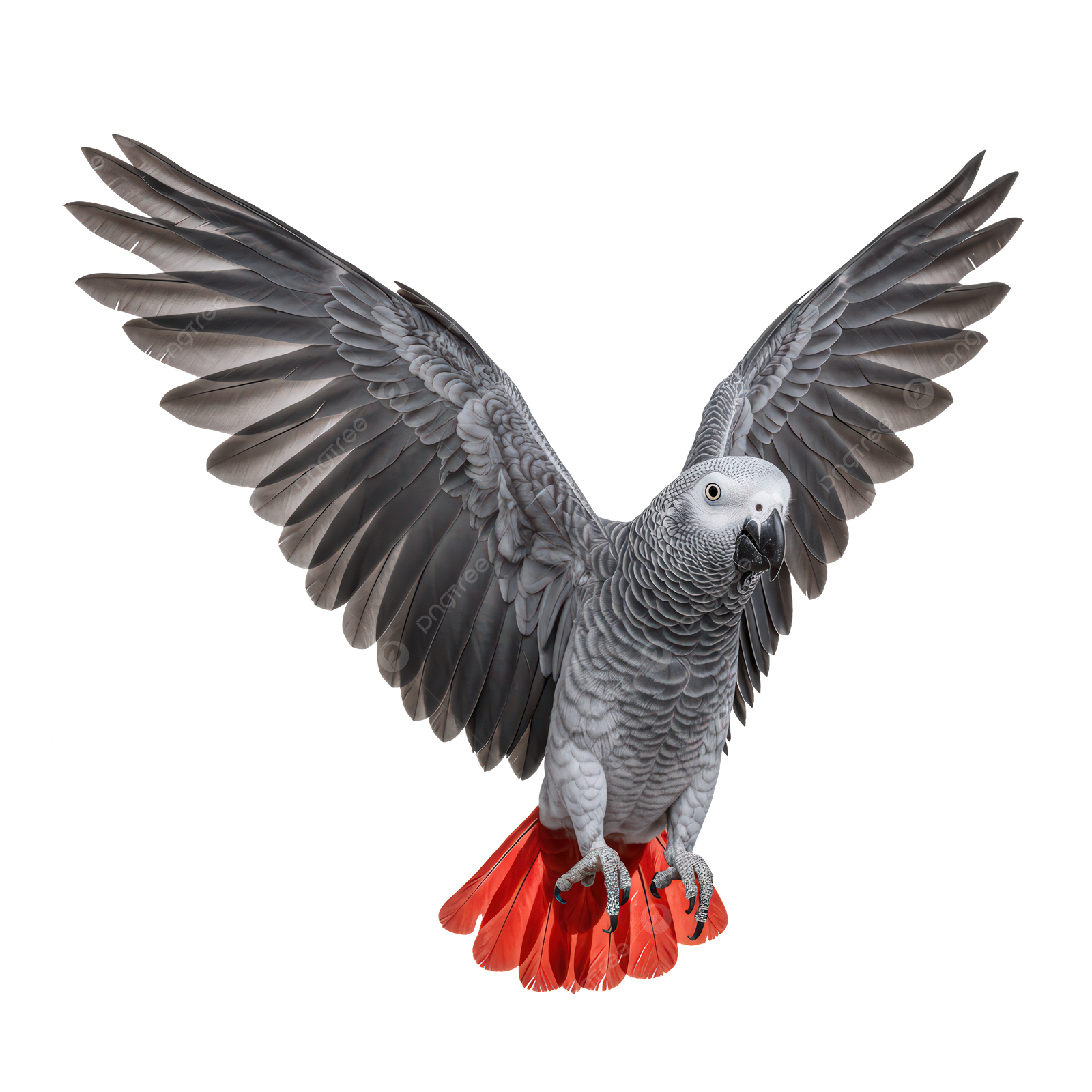
- Wingspan: Their wingspan is substantial, often reaching 18 to 20 inches (45 to 50 centimeters) when fully extended. This is a crucial number to consider when evaluating cage width, as the bird must be able to fully stretch its wings without hitting the cage sides, toys, or perches.
- Weight: A healthy, mature African Grey Parrot generally weighs between 400 and 650 grams (about 0.9 to 1.4 pounds). Weight monitoring is a key part of responsible ownership, as fluctuations can be an early sign of illness or improper diet. I stress to all my buyers, whether from large cities like Phoenix or smaller communities in rural Texas, the importance of weekly weight checks.
The Two Subspecies and Size Differences
When you ask, How big do African Grey Parrots get, it’s important to note that there are two primary recognized subspecies, and their sizes differ slightly:
- Congo African Grey Parrot (Psittacus erithacus): This is the most common subspecies kept as a pet. They are the larger of the two, typically reaching the full 13-14 inches in length. They are characterized by a light grey body, striking scarlet-red tail feathers, and a solid black beak. The majority of the birds at The African Grey Parrot Home fall into this category.
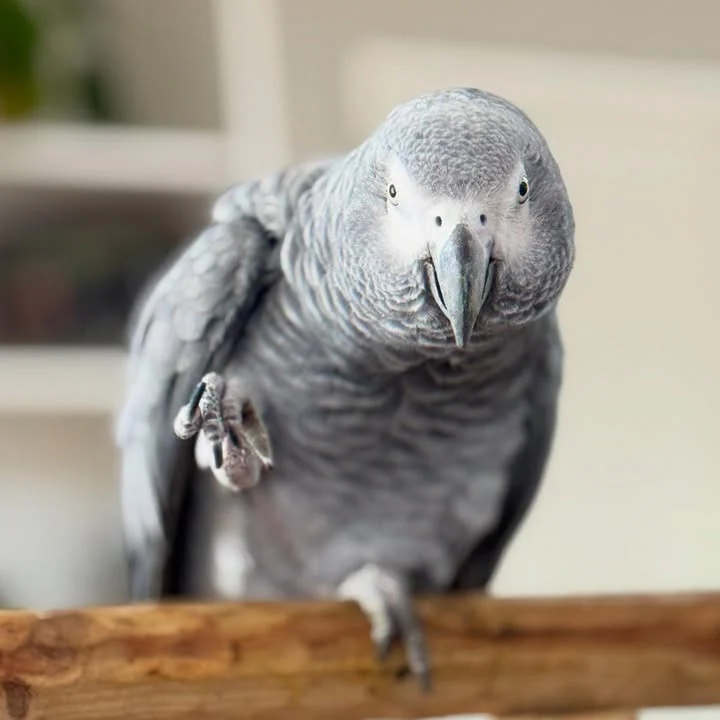
- Timneh African Grey Parrot (Psittacus timneh): This subspecies is generally smaller, often maxing out at about 12 inches in length. They have a darker, charcoal-grey body, a maroon tail, and a lighter, horn-colored upper mandible (the top part of the beak). While less common, their size is still substantial and requires similar housing considerations. Understanding the nuances of How big do African Grey Parrots get helps in correctly identifying the nutritional needs for each.
Why Cage Size Must Match Parrot Size
The answer to How big do African Grey Parrots get directly informs the most critical purchase you will make: their cage. A cage that is too small can lead to severe behavioral and health problems.
Space for Exercise and Mental Well-being
- The Stretch Test: As an experienced breeder, I always recommend a cage wide enough for the parrot to fully stretch its wings. For an African Grey Parrot, this means a minimum interior width of 30 inches, though 36 inches or more is highly recommended. For the overall dimensions, think of a cage that is at least 36″ wide x 24″ deep x 48″ high.
- Horizontal vs. Vertical Space: While they appreciate height, the width and depth are far more important. African Grey Parrots are not vertical climbers like some cockatoos; they need room to move horizontally and to safely fly-flap within their enclosure to maintain muscle tone.
- Bar Spacing: Bar spacing is another key factor. If the bars are too wide, the bird could escape; if too narrow, they can damage their feathers. For an adult African Grey Parrot, the ideal spacing is between 3/4 inch and 1 inch. This ensures a comfortable and safe environment for a bird of this size. I guide my clients from places like Florida, including cities such as Miami and Orlando, through this selection process constantly.
The Importance of Perching
Because of How big do African Grey Parrots get, you need varying perch sizes to prevent pressure sores on their feet, a condition known as bumblefoot.
- Varying Diameters: Use natural wood perches of varying diameters (1 to 1.5 inches is a good range for an adult African Grey) placed strategically throughout the cage. This mimics the variety found in the natural habitat and allows their foot muscles to be exercised properly.
- Strategic Placement: Perches should be positioned so that the African Grey Parrot’s tail does not constantly hit the side or bottom of the cage, which can damage the tail feathers and cause stress.
Developmental Milestones: When Does the African Grey Stop Growing?
If you’ve brought home a baby from The African Grey Parrot Home, you’ll be wondering when you will see exactly How big do African Grey Parrots get.
- Rapid Early Growth: African Grey chicks grow very quickly. By the time a parrot is weaned (usually around 12 to 16 weeks of age), it will be close to its adult length, though perhaps a little scrawnier.
- Physical Maturity: The African Grey Parrot typically reaches its full adult length and wingspan by about 6 to 9 months old. At this point, you have a clear picture of How big do African Grey Parrots get.
- Filling Out: The bird will continue to fill out and gain its full adult muscle mass and weight over the next few months, reaching physical maturity by about one year of age. Their character and personality will continue to develop well beyond this point, of course, but their physical frame will be set.
The African Grey Parrot: A Substantial Commitment
The question, How big do African Grey Parrots get, is about more than just physical measurements; it’s about the scale of the commitment. Their size directly correlates to:
- Noise Level: A large bird has a large voice. While Greys are not the loudest parrots, their talking and vocalizations are substantial and need to be managed, especially in high-density areas.
- Mess: A large parrot generates a large amount of mess—more droppings, more discarded food, and more dander. Regular cleaning, including cage scrubbing, is non-negotiable. This is true whether you live in a bustling area of California like San Francisco or smaller towns in the Sacramento Valley.
- Lifespan: An adult African Grey Parrot can live 50 to 70 years. The significant size of the bird necessitates a corresponding significant lifetime commitment.
As a breeder, I ensure that every African Grey Parrot leaving The African Grey Parrot Home is a healthy size for its age, but responsible ownership means providing the appropriate environment to allow it to fully mature into the impressive bird it is meant to be. Understanding How big do African Grey Parrots get is the first step in creating that perfect home. My experience raising and living with these amazing birds confirms that a well-housed Grey is a happy Grey.
Final Thoughts on the Adult African Grey Parrot
The sheer presence of an adult African Grey Parrot is undeniable. They are large enough to be impressive but manageable enough to be handled. Their size is a reflection of their incredible intelligence and complexity. When you fully grasp How big do African Grey Parrots get, you can ensure their enclosure and environment are suitable, providing the freedom to move and play that a wild bird of its stature requires.
My mission at The African Grey Parrot Home is to match these magnificent birds with owners who are prepared for the full scale of their needs, both physically and mentally. I’ve worked with people across the country, from the suburbs of New Jersey like Hoboken and Morristown, to the greater metropolitan areas, ensuring every African Grey Parrot finds a spacious and loving environment.