African Grey breeders in Australia
Finding truly ethical and experienced African Grey breeders in Australia is the essential first step toward partnering with one of the most brilliant and affectionate parrots in the world. As John from THE AFRICAN GREY PARROTS HOME, I know the importance of starting your decades-long journey with a healthy, well-adjusted bird. Whether you are searching in major hubs like Sydney, Melbourne, or Brisbane, or across regional centers such as Perth, Adelaide, or Gold Coast, securing a companion from reputable African Grey breeders in Australia is the greatest investment you can make in your bird’s welfare and your own future happiness.
The Professional Dedication of African Grey breeders
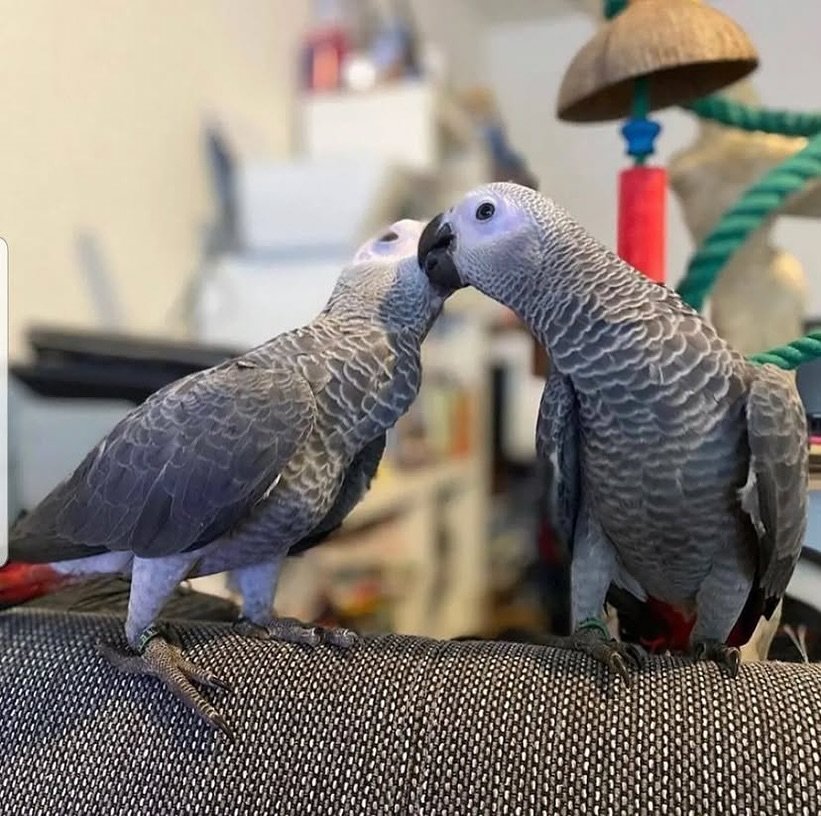
The responsibility of African Grey breeders is immense, given the bird’s longevity and cognitive complexity. It requires dedicated knowledge of avian health, genetics, and, most crucially, early socialization. We, as experienced breeders, focus on providing a secure, stimulating environment where chicks are gently hand-raised and exposed to various sights and sounds. This meticulous start is what distinguishes a quality source, ensuring the bird you bring home is confident and ready to bond deeply with its human family.
The Significance of Trustworthy African Grey parrot breeders
The temperament and emotional stability of an African Grey are profoundly shaped by its first few months of life. That is why choosing trustworthy African Grey parrot breeders is absolutely critical. Ethical breeders prioritize a slow, stress-free self-weaning process and consistent positive human interaction. This focused care by knowledgeable African Grey parrot breeders lays the foundation for a companion who is emotionally resilient and capable of forming the deep, lasting relationship these magnificent parrots are known for.
African Grey Intelligence: Understanding the Commitment
The African Grey is often regarded as the most intelligent of all parrot species, possessing cognitive abilities comparable to a young child. This makes them captivating companions, but it also means their needs are profound and demanding. They don’t just mimic; they comprehend, often using hundreds of words in context.
As a seasoned breeder, I always emphasize that owning an African Grey is a 50-to-60-year commitment that requires a knowledgeable, patient, and highly interactive owner. A well-cared-for Grey, especially one sourced from professional African Grey breeders in Australia, will be an affectionate, sensitive, and witty member of the family. However, their intelligence demands constant engagement. If neglected or bored, an African Grey can rapidly develop severe anxiety, leading to destructive behaviors like feather plucking, which is heartbreakingly common.
They are flock creatures by nature, and in your home, you become their flock. While they are generally social, they often develop a strong, primary bond with one person. Understanding this sensitive emotional dynamic is key to a successful partnership.
The Congo vs. Timneh: Subspecies Distinctions
When looking for African Grey breeders in Australia, you will primarily encounter two recognized subspecies, each with subtle differences in size and personality traits.
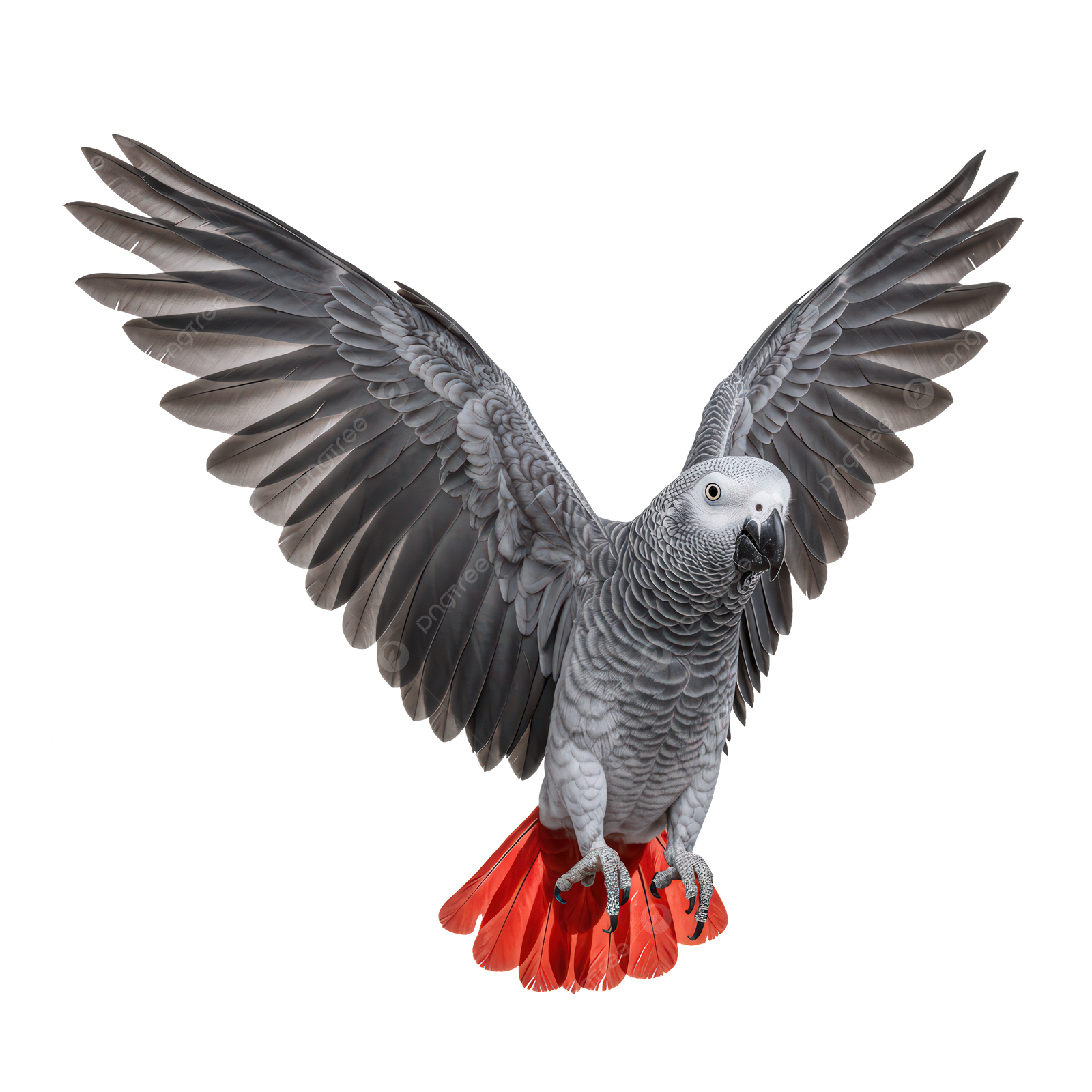
- Congo African Grey (CAG): This is the larger and more common subspecies. They are noted for their light grey plumage, striking white facial mask, and vivid red tail feathers. They are legendary talkers, often developing vast vocabularies, though they may start talking a bit later than their Timneh cousins.
- Timneh African Grey (TAG): Slightly smaller than the CAG, the Timneh has a darker, charcoal-grey body and a dark maroon or brownish-red tail. Many African Grey breeders observe that Timnehs tend to be slightly more resilient to change and often begin imitating speech at a younger age.
Both are incredible companions requiring the same level of commitment. Discussing your lifestyle with experienced African Grey breeders can help you determine which subspecies might be a better fit.
Creating the Optimal Environment for Your African Grey
Preparing your home is just as important as choosing your bird from responsible African Grey breeders in Australia. The environment must be safe, stimulating, and conducive to their long life.
Safety and Housing Requirements
Your Grey’s cage is its sanctuary and must be adequately sized and securely placed.
- Cage Size: The minimum acceptable size is one that allows the bird to fully extend its wings in all directions without hitting the sides, turn easily, and have room to climb. Stainless steel or high-quality, non-toxic powder-coated cages are essential due to their strong beaks.
- Location: Place the cage in a high-traffic family area, but with the back against a wall to provide security. Never put the cage in the kitchen. As an experienced breeder, I must stress that fumes from overheated non-stick cookware (Teflon/PTFE) are silent killers for parrots. This is a point that reputable African Grey breeders in Australia will always insist upon.
- Environmental Enrichment: Greys are constant chewers and thinkers. You must provide a variety of natural wood perches, foraging toys, shreddable toys, and puzzle feeders. Rotation is key to preventing boredom.
Essential Nutrition for Health and Longevity
African Greys have specific nutritional vulnerabilities, particularly deficiencies in Calcium and Vitamin A. A tailored diet is non-negotiable for their long-term health.
- Pelleted Diet Base: About 75-80% of their daily food intake should be a high-quality, formulated pellet. This provides a balanced baseline that a seed-only diet—which is dangerously deficient—cannot.
- Fresh Foods: The remainder must be fresh produce. Focus on dark, leafy greens (like kale and bok choy), cooked sweet potatoes, carrots, and other foods rich in Vitamin A. Avoid toxic items like avocado and chocolate.
- Water: Always provide fresh, filtered water, changed multiple times a day. If you live in a town or city with a different water profile, such as Cairns or Newcastle, filtration is highly recommended.
Vetting African Grey breeders in Australia: A Breeder’s Perspective
The search for excellent African Grey breeders in Australia should be meticulous. You are seeking a partner in your parrot’s welfare, not just a transaction. My advice, as a breeder, is to focus on transparency and ethical practice.
Key Questions to Ask Prospective Breeders:
- Can I Visit? An ethical breeder will welcome a scheduled visit. Use this opportunity to observe the conditions: Are the facilities clean? Are the birds (both parents and chicks) bright-eyed, well-feathered, and calm in human presence?
- What Documentation Do You Provide? Insist on receiving a hatch certificate, proof of DNA sexing (if done), and recent viral testing results for diseases like PBFD and Polyoma. This documentation is a sign of a responsible business.
- How Do You Wean? The only acceptable answer is self-weaning. This means the chick is allowed to gradually transition from formula to solid food at its own pace. Rushed weaning is a major cause of lifelong behavioral issues and should be a red flag when dealing with African Grey breeders.
- What is Your Socialization Protocol? Ask about specific steps taken to expose the chicks to various household noises, different people, and handling techniques. This early work by African Grey breeders is vital for preventing a shy or fearful adult bird.
- What Post-Sale Support is Offered? A truly experienced breeder will offer ongoing support and be available to answer your questions about diet, behavior, or training for years to come. This support is invaluable.
The choice of African Grey breeders in Australia determines the quality of your companion. By prioritizing health, ethical socialization, and transparency, you set yourself up for decades of rewarding companionship with one of the most remarkable animals on Earth.
If you have any further questions about the African Grey’s specific needs or the steps to take before bringing your new friend home—whether you are in Darwin or Hobart—please don’t hesitate to reach out to me, John, at THE AFRICAN GREY PARROTS HOME.