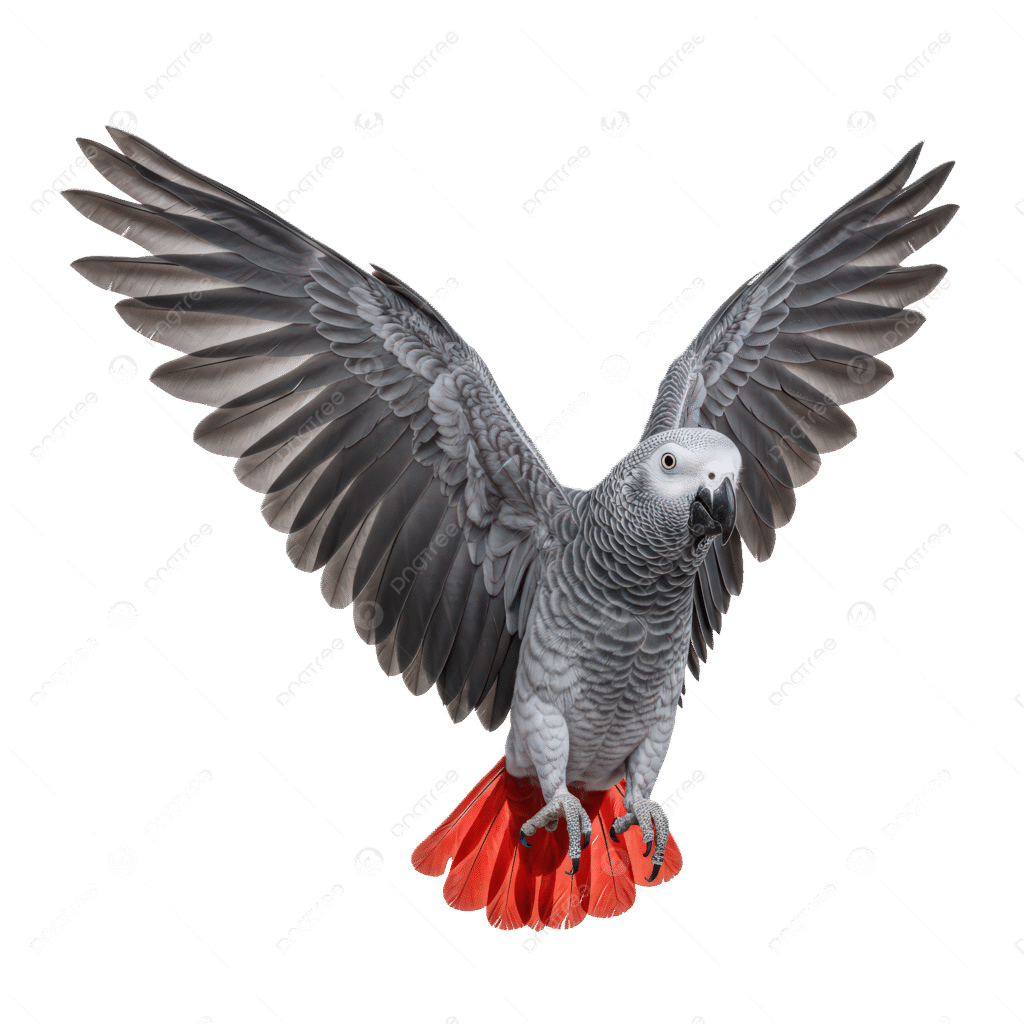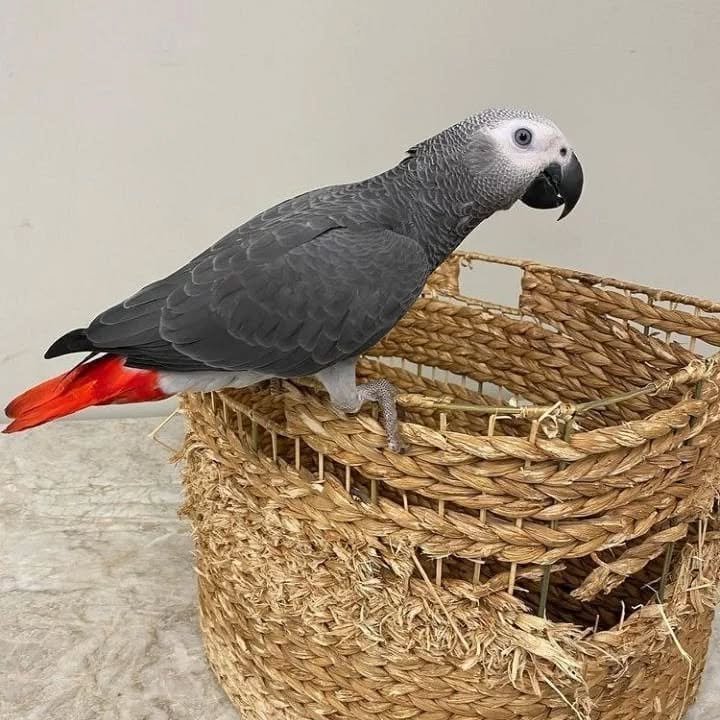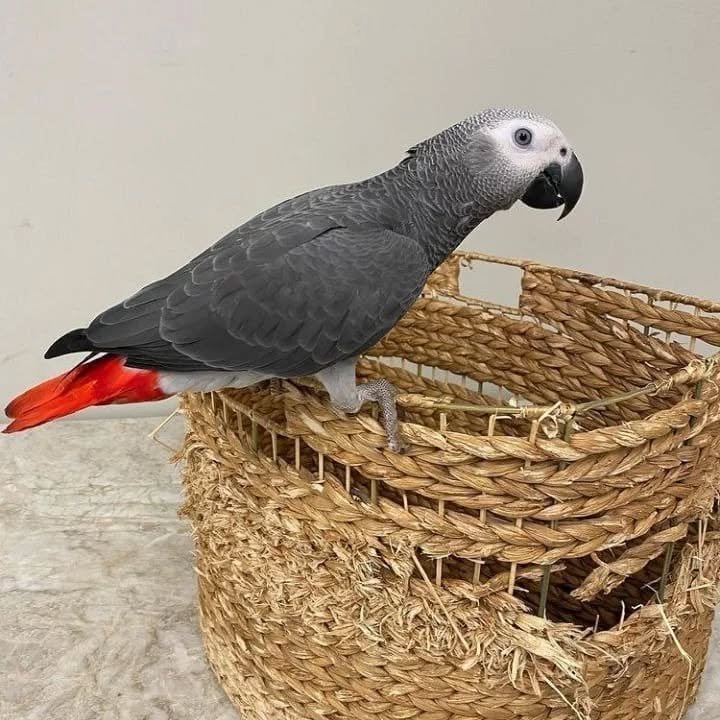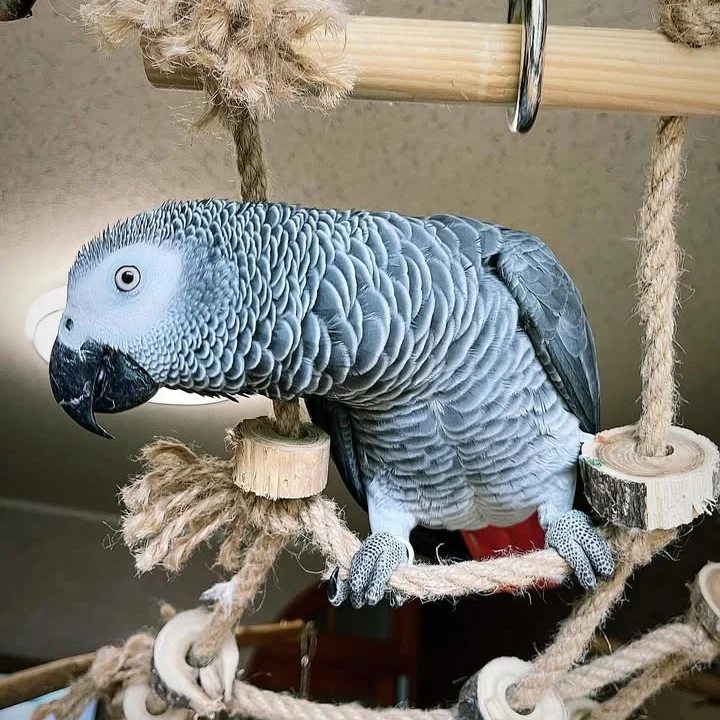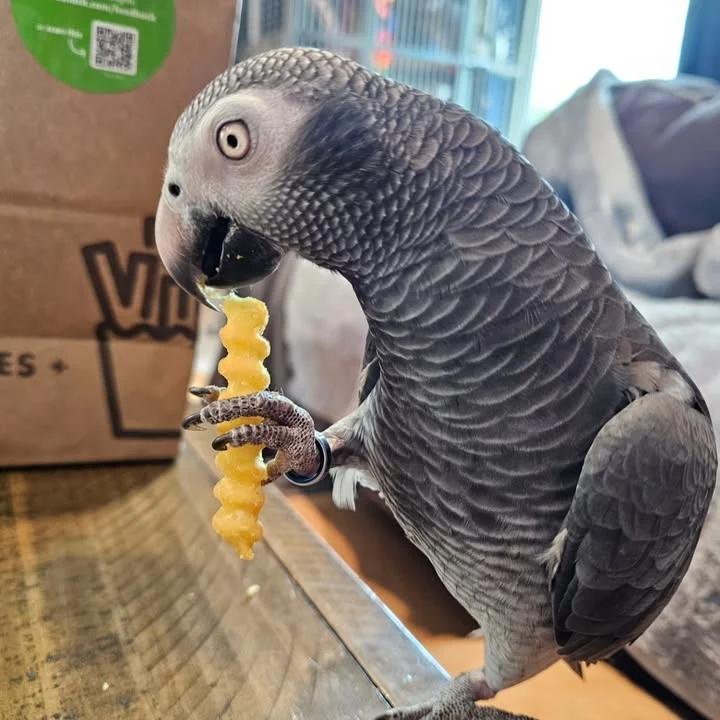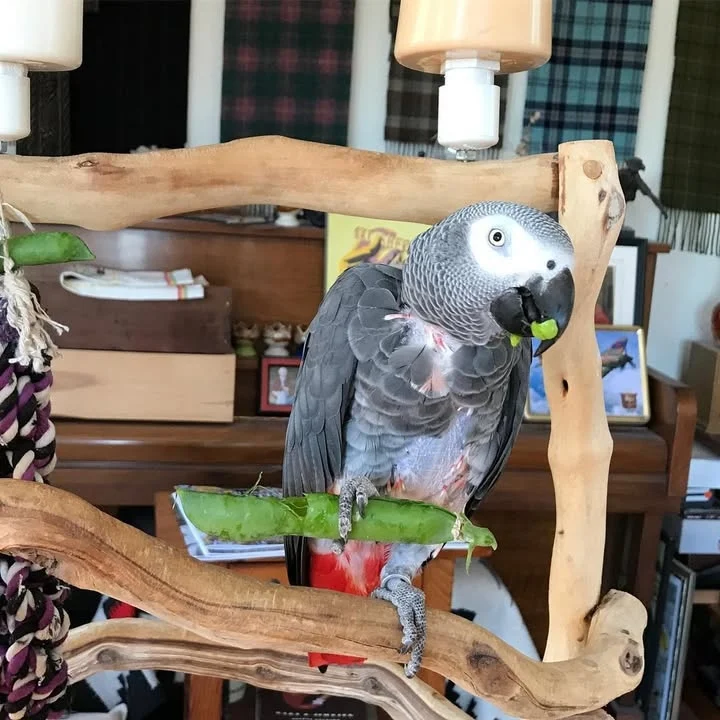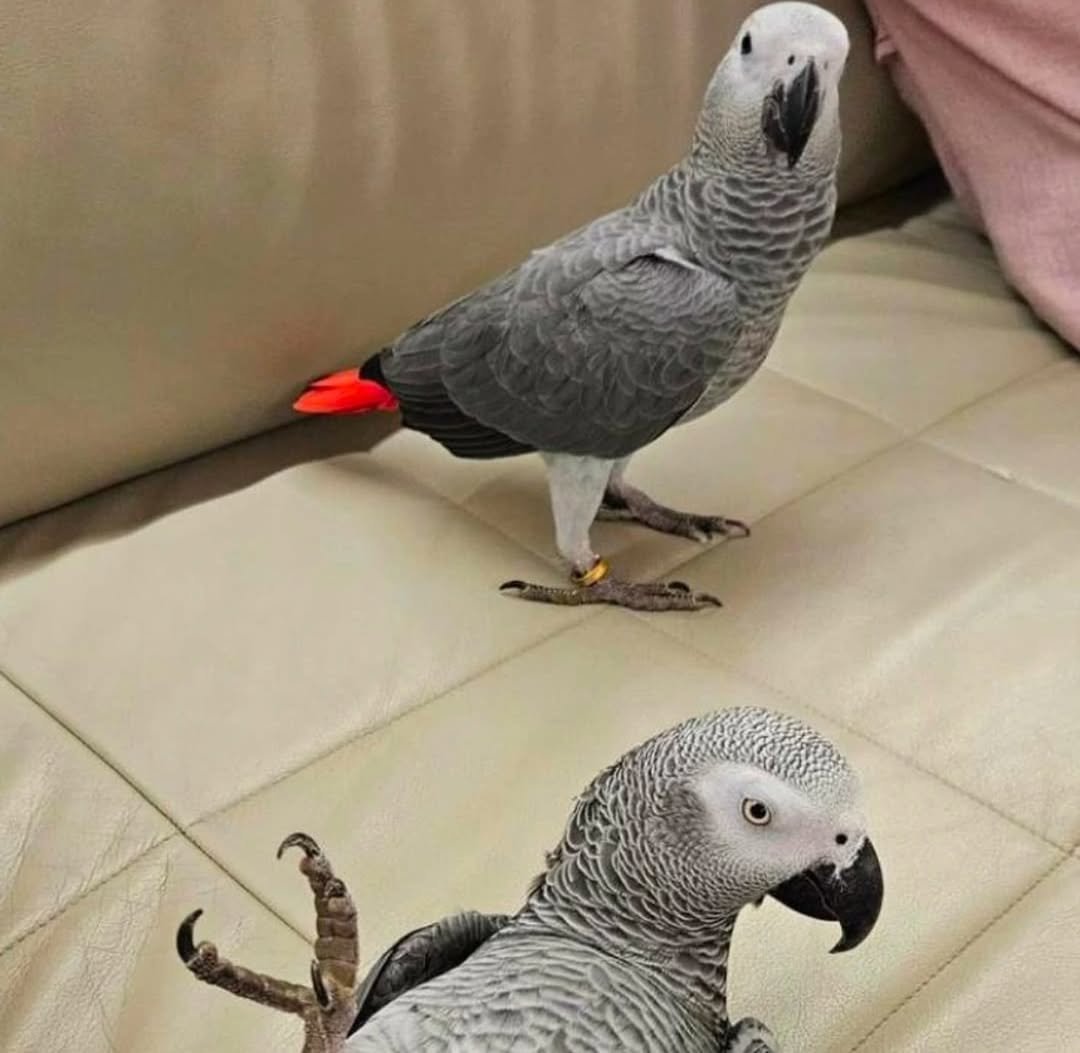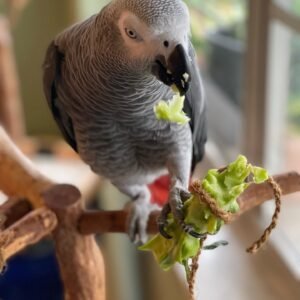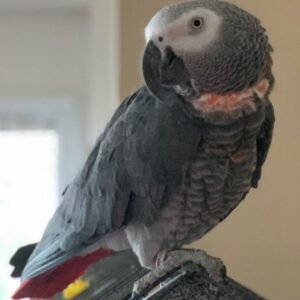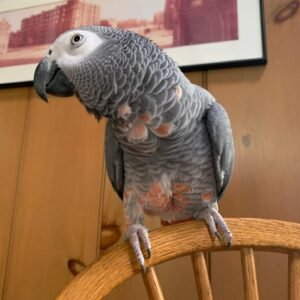


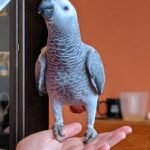


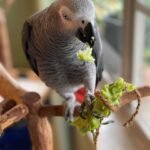
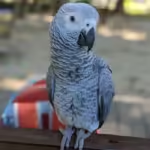
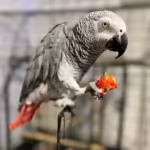
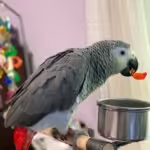
Owning an African Grey Parrot is a deeply rewarding experience — these birds are among the most intelligent companions you can have. But their intelligence also means they need consistent mental stimulation, social interaction, and gentle training to thrive.
Proper training isn’t just about tricks — it’s about creating trust, preventing behavioral issues, and nurturing a strong lifelong bond between you and your feathered friend.
Why Training Your African Grey Matters
Training your African Grey helps more than just obedience — it’s a foundation for emotional stability and companionship.
Well-trained parrots are easier to handle, less likely to scream or bite, and more confident in new situations.
It also reduces stress for both bird and owner, creating a calm, communicative relationship built on mutual respect.
In short: training equals bonding.
Step 1: Build Trust Before You Teach
Before you introduce any commands, focus on building comfort and confidence. African Greys can be cautious by nature, so patience is key.
- Sit near your parrot’s cage and speak softly.
- Avoid sudden movements and loud noises.
- Offer favorite treats by hand to form a positive association with your presence.
This stage sets the foundation for all successful training — your parrot must feel safe with you before they’ll be eager to learn.
Step 2: Use Positive Reinforcement
African Greys thrive on encouragement, not correction.
Whenever your bird behaves well, reward immediately with a small treat, verbal praise, or gentle affection.
- Reward the good — ignore unwanted behaviors.
- Stay calm, even when correcting actions like nipping or shouting.
- Use short, upbeat cues and keep the tone friendly.
Punishment never works with these sensitive parrots — it damages trust and can lead to anxiety or aggression.
Step 3: Start with Simple Commands
Once trust is established, introduce easy, practical commands to help with everyday handling:
- “Step Up” – Encourage your parrot to step onto your finger or perch.
- “Stay” – Useful when opening cages or moving around safely.
- “Quiet” – Reinforce calm moments by rewarding silence.
Keep training sessions short (5–10 minutes) and end on a positive note. Daily repetition works far better than long, tiring sessions.
Step 4: Mental Stimulation and Trick Training
African Greys are often called the Einsteins of the bird world — they love mental challenges. Teaching tricks keeps their sharp minds engaged and strengthens your bond.
Fun ideas include:
- Waving hello
- Spinning in a circle
- Fetching lightweight objects
- Mimicking simple sounds or words
Incorporate colorful, safe toys and puzzle feeders to make every lesson playful and enriching.
Step 5: Stay Consistent and Patient
Every African Grey learns differently. Some will master a new behavior in a day; others take weeks. What matters is consistency — using the same cues, gestures, and rewards each time.
Celebrate small progress, and never rush the process.
With patience, your parrot will learn to trust, communicate, and even perform fun routines with enthusiasm.
Final Thoughts
Training your African Grey Parrot isn’t just about teaching—it’s about connection. Through positive reinforcement, structure, and gentle communication, you’ll nurture a confident, affectionate, and well-behaved companion who loves spending time with you.
👉 Ready to start your African Grey’s training journey?
Reach out to The African Grey Parrots Home today for expert advice, personalized guidance, and professional tips designed to help your parrot reach its full potential.