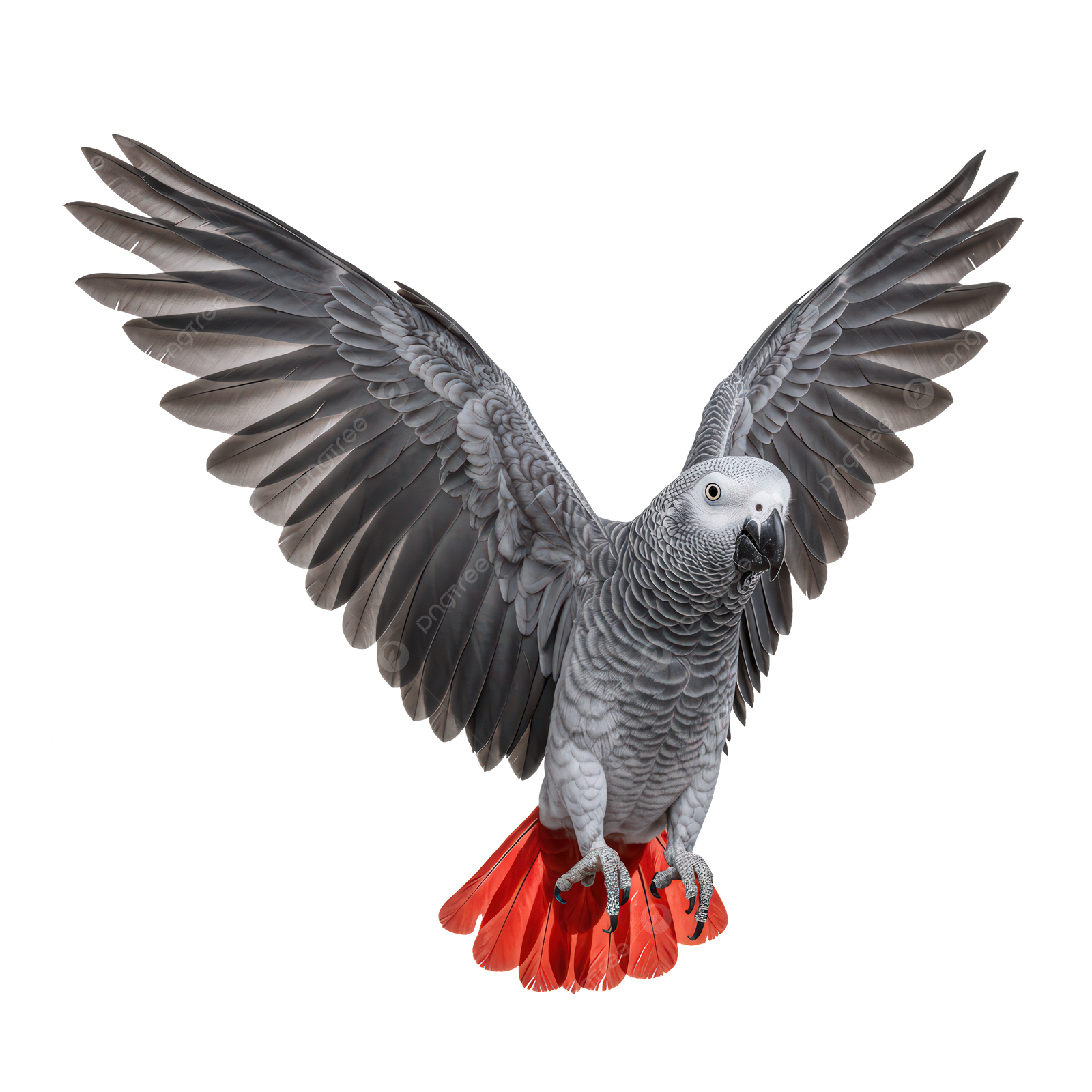
African Grey breeders in Vermont
African Grey breeders in Vermont are not easy to find because the state maintains strict regulations regarding the importation and possession of exotic animals, often requiring specific permits for those who deal in or propagate wild birds. If you are searching for a companion in the Green Mountain State, you might find that local options are quite limited, leading many dedicated enthusiasts to connect with specialized, licensed avian centers in neighboring regions that adhere to high standards of health testing and hand-raising.
Key Takeaways
- Legal Landscape: Vermont has rigorous permit requirements for importing, possessing, and breeding exotic birds; always verify that a breeder is properly licensed with the Fish & Wildlife Department.
- Health First: Reputable sources will prioritize disease testing (such as for PDD or Psittacosis) and provide veterinary health certificates, which are essential for your bird’s long-term well-being.
- The Commitment: These parrots are incredibly intelligent, emotionally sensitive, and live for decades; they require significant daily social interaction, mental stimulation, and a specialized diet.
- Environment Readiness: Before bringing a parrot home, ensure your living space is free of airborne toxins like non-stick cookware fumes and scented air fresheners, which can be fatal to birds.
Navigating the Search for African Grey Breeders in Vermont
When I talk to people about starting their journey with an African Grey, I often see a lot of excitement—and rightly so. These birds are brilliant. But if you’re searching specifically for African Grey breeders in Vermont, you’ll quickly hit a wall. It’s not just about finding someone who has birds; it’s about navigating Vermont’s specific wildlife and importation rules. I’ve learned over the years that if a breeder can’t show you their state-issued dealer or propagation permits, you should probably walk away. It’s not just about the rules; it’s about the safety and legitimacy of the entire process.
I think the biggest mistake people make is trying to cut corners to get a bird “locally.” Please, take your time. You aren’t just getting a pet; you’re starting a 50-year relationship. I always encourage people to look for breeders who focus on hand-raising their chicks in a home-like environment. You want a bird that is used to the sounds of a dishwasher, a television, and the daily hustle of a family. A bird that has never seen anything outside a sterile cage is going to have a much harder time adjusting to your living room.
What Real Expertise Looks Like
When you finally find a potential source, look for transparency. A truly knowledgeable breeder will want to talk to you about your setup before they ever talk about a price. They should be asking about your cage size, your experience with exotic pets, and even your kitchen habits—after all, those non-stick pans are dangerous! If they don’t seem concerned about where their baby is going, that’s a red flag.
I have seen many “breeders” who treat birds like inventory, but the best ones treat them like family. Look for those who provide written instructions on diet, have an established relationship with an avian veterinarian, and can provide you with documented health screenings for common diseases. If a seller is hesitant to answer questions or can’t produce a health certificate, you’re better off looking elsewhere. Your future friend deserves a healthy start.
Essential Care for Your African Grey
Once you’ve successfully found your companion, the real work begins. African Greys are not the type of pet you just put in a cage and admire from afar. They need five or more hours of social interaction every single day. If they get bored, they get destructive. It’s that simple.
I’m a huge believer in puzzle feeders. If your bird has to “work” for their treats, they’ll be much happier. Rotate their toys weekly so they don’t get bored with the same old things. And diet? It should be 60-70% high-quality pellets, with the rest being fresh, nutrient-dense vegetables. Please, skip the all-seed diet—it’s just not healthy for them long-term.
Listicle: Preparing for Your African Grey
If you are moving forward with bringing a bird into your life, follow these steps to ensure you’re doing it right:
- Check Permits: Ensure your breeder is compliant with the Vermont Fish & Wildlife Department if they are located within the state.
- Verify Health: Demand recent veterinary records and disease-testing results for your specific bird.
- Prepare the Habitat: Use a large, secure cage (at least 3x3x4 feet) with non-toxic materials.
- Remove Toxins: Completely remove non-stick (PTFE/PFOA) cookware from your home and ditch the plug-in air fresheners.
- Build a Relationship: Invest in positive reinforcement training rather than punishment; these birds are far too smart for old-school, harsh discipline.
Conclusion
Finding the right African Grey breeders in Vermont—or sourcing a healthy bird from a reputable, licensed specialist—is a journey that demands patience. Don’t rush into a purchase just because it’s convenient. Focus on the breeder’s dedication to health, socialization, and ethical practices. When you find that perfect match, you’ll have a partner for decades to come, one who will challenge you, make you laugh, and provide a depth of companionship that is truly unique in the animal kingdom.
Frequently Asked Questions
Is it difficult to find African Grey breeders in Vermont, and what should I check for?

Yes, it can be quite challenging due to Vermont’s strict regulations regarding the importation and commercial sale of wild animals. Because the state requires specific permits for dealers and breeders, many people find it easier to work with well-established, licensed avian centers in other states that can legally transport birds and provide all necessary health documentation. When you do find a source, always ask to see their valid state permits, request proof of veterinary health screenings, and ensure they provide detailed information on the bird’s weaning, socialization history, and diet. Never prioritize a “local” pickup over the legal and health credentials of the bird you are bringing home.