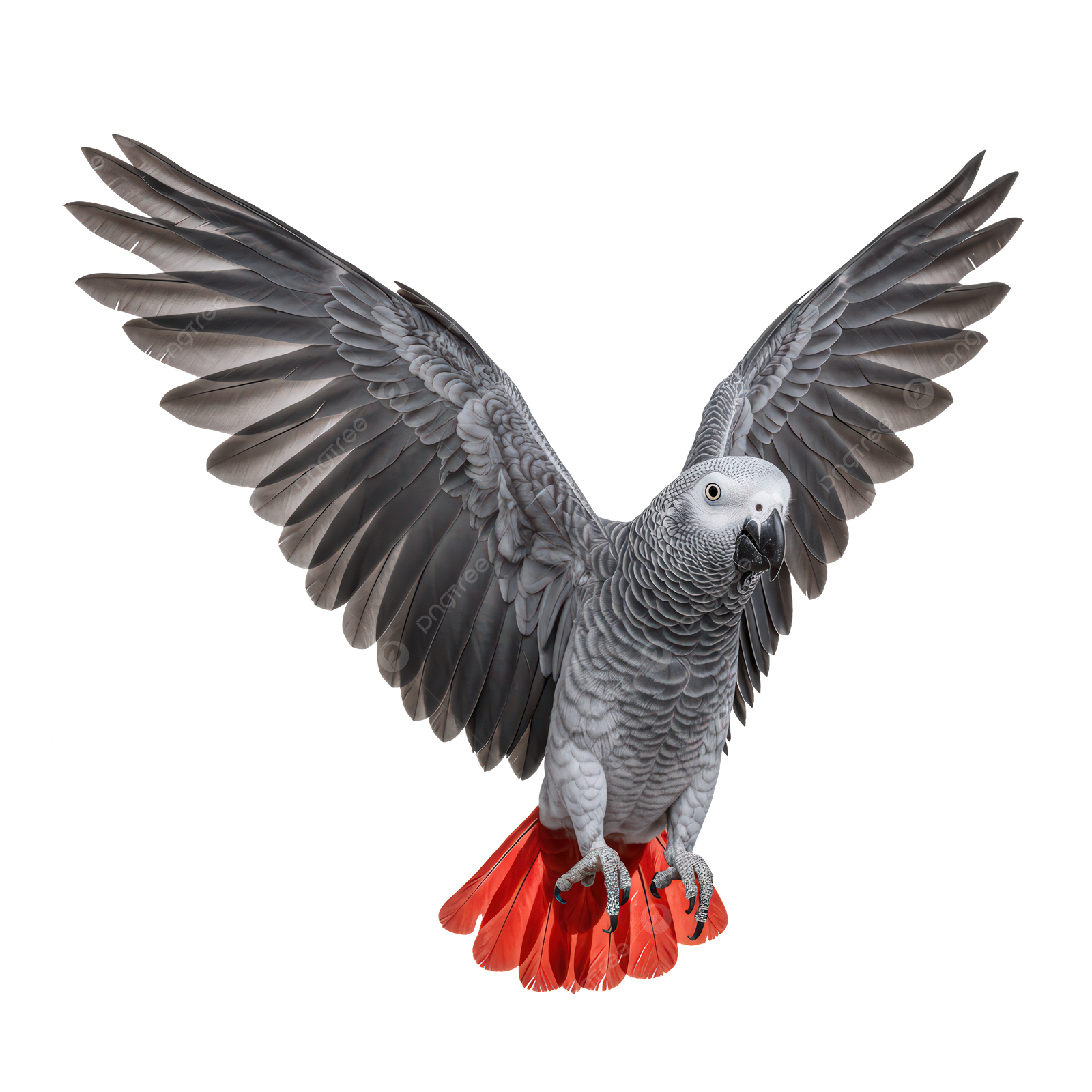
African Grey breeders in Idaho
African Grey breeders in Idaho represent a niche but deeply passionate community, and if you’re looking to welcome one of these brilliant, high-maintenance companions into your life, you need to understand that it’s less about “buying” and more about finding a partner in animal welfare.
I often tell folks that the African Grey isn’t just a pet; it’s more like adding a toddler who never quite grows up, possesses the intellect of a five-year-old, and might live for fifty years or more. Because Idaho has specific regulations for avian imports and biosecurity, finding a breeder here is a process that requires patience, a bit of legwork, and a serious commitment to learning about their specialized needs before you ever sign a contract.
Key Takeaways
- Regulatory Compliance: Idaho has clear import laws, including the requirement for a Certificate of Veterinary Inspection (CVI) for all pet birds entering the state.
- Lifelong Commitment: African Greys are highly intelligent and emotionally sensitive, often requiring 10–12 hours of quiet sleep and hours of daily socialization.
- Health and Nutrition: Proper calcium levels, UVB lighting, and a diverse diet (not just seeds) are non-negotiable for preventing common issues like hypocalcemia.
- Vetting Matters: A reputable breeder will prioritize health certifications and transparency, and they should be as interested in your home environment as you are in their birds.
The Journey of Finding African Grey Breeders in Idaho
When you begin searching for African Grey breeders in Idaho, it’s easy to feel overwhelmed by the sheer amount of conflicting information online. I think it’s important to remember that the best breeders are usually the ones who don’t have massive “inventory” lists. They are often smaller-scale, hands-on individuals who spend more time cleaning, socializing, and feeding their babies than they do on their websites. You might find that the “breeder” you need is actually a mentor who can guide you through the complexities of Idaho’s specific avian regulations.
If you’re determined to work with African Grey breeders in Idaho, start by reaching out to local avian clubs or exotic animal veterinarians in the Boise, Meridian, or Idaho Falls areas. These professionals are the real gatekeepers of good information. They often know exactly who is operating ethically and, perhaps more importantly, who is taking the necessary shortcuts to ensure their chicks are healthy and well-socialized.
Understanding the Legalities: Importing and Possession
You really can’t talk about African Grey breeders in Idaho without mentioning the law. Idaho takes the health of its local ecosystems seriously. Whether you are buying from a local source or looking to have a bird transported from another state, you must ensure compliance with the Idaho State Department of Agriculture (ISDA).
- Certificate of Veterinary Inspection (CVI): This is the gold standard for any bird crossing state lines into Idaho. It’s a health document signed by a licensed veterinarian.
- Permits: While African Greys aren’t as strictly regulated as some invasive species (like Monk Parakeets), the transport of any exotic animal should always be checked against the latest ISDA guidelines.
- Record Keeping: I always advise new owners to keep a folder with all medical records, vaccination history, and breeder contact info. You never know when you’ll need it.
Why Socialization is the Secret Ingredient
I have noticed that many first-time owners of African Greys get hung up on the “talking” aspect, but for me, the magic is in the bird’s personality. When you visit African Grey breeders in Idaho, don’t just ask about price. Ask about the weaning process. Are they hand-fed? How much time do they spend outside the cage?
A well-socialized African Grey from a high-quality breeder in Idaho should be comfortable with human touch, curious about new objects, and—most importantly—resilient to the daily changes in your household. If a bird is timid or aggressive at a young age, it might indicate a lack of proper handling. I often tell potential owners: Don’t choose the bird that looks the prettiest; choose the one that seems the most confident.
Top Considerations for Your New Companion
If you have finally connected with African Grey breeders in Idaho, your preparations have only just begun. The environment in the Pacific Northwest and the mountainous regions of Idaho can be quite dry, so consider how you’ll maintain your bird’s feather health.
- Cage Size: Never go too small. A 36″x24″x48″ cage is really just the starting point.
- Lighting: Since Idaho winters can be long and dark, I highly recommend investing in high-quality full-spectrum UVB lighting.
- Dietary Diversity: Avoid the “seed-junkie” trap. A bird raised on a varied diet of pellets, fresh vegetables, and grains is a bird that will live a much longer, healthier life.
Conclusion: Preparing for a Lifetime Together
Choosing to bring an African Grey into your home is a major life event. Throughout the process of vetting African Grey breeders in Idaho, keep your focus on the long-term well-being of the animal. It isn’t a race. The right bird will be worth the wait, and the right breeder will be a partner to you for years to come. By doing your research, respecting the legal requirements for bird ownership in Idaho, and prioritizing the mental health of your parrot, you are setting yourself up for one of the most rewarding relationships you will ever experience.
It’s a lot of work, sure—perhaps more than people realize—but the bond of trust you build with an African Grey is, in my opinion, truly unlike anything else.
Frequently Asked Questions
What are the specific requirements for bringing an African Grey parrot into Idaho?

To bring an African Grey parrot into Idaho, you must typically have a Certificate of Veterinary Inspection (CVI) issued by a licensed veterinarian. This document ensures the bird is healthy and free of communicable diseases before travel. Because regulations can change and specific species may have different requirements, you should always contact the Idaho State Department of Agriculture (ISDA) before making any travel arrangements to ensure you are fully compliant with state and federal laws regarding the transport of exotic psittacine birds.