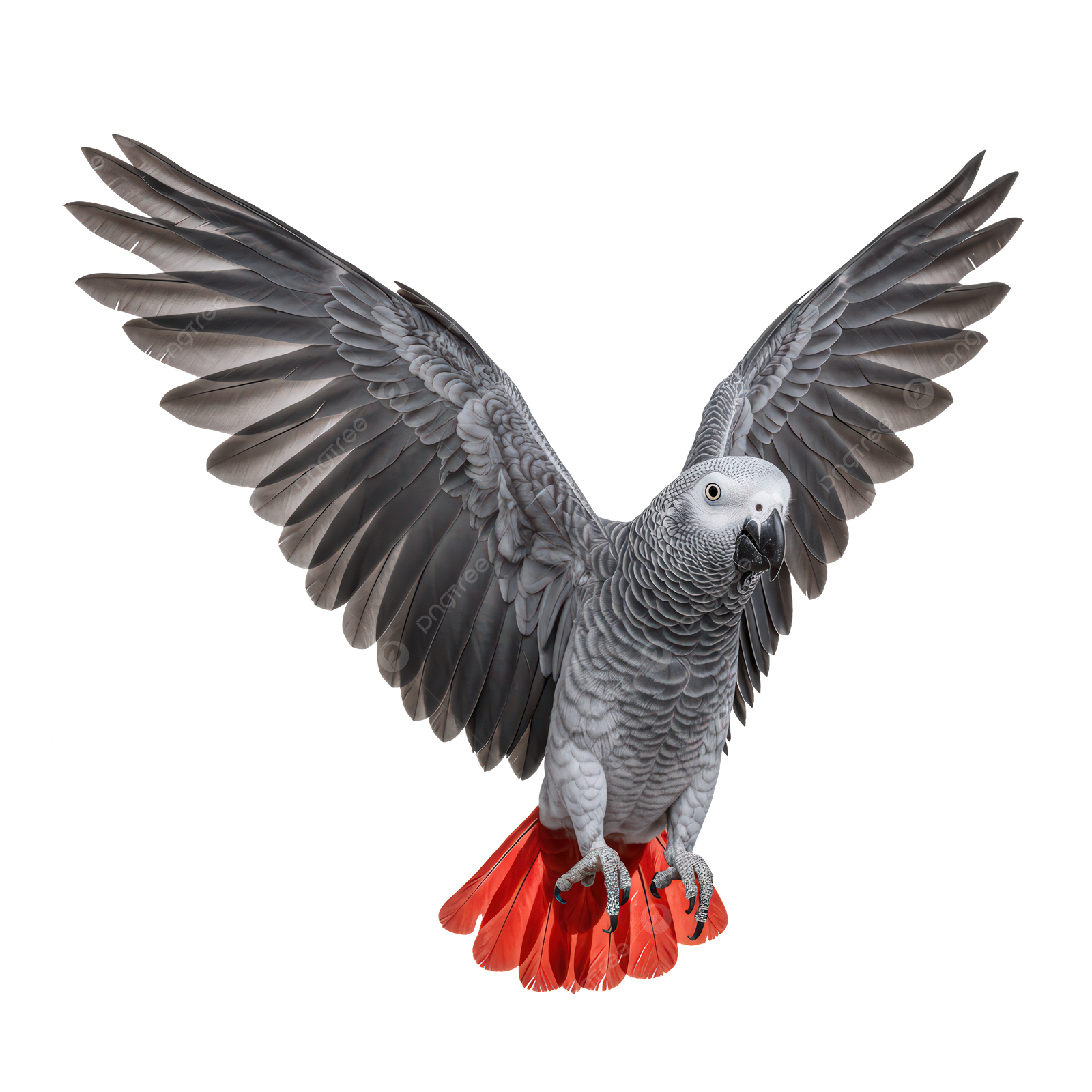
Are African Grey Parrots prone to health problems
Are African Grey Parrots prone to health problems? As someone who has spent years working with these incredibly intelligent, sensitive birds, I can tell you that while they aren’t “frail,” they definitely have a unique set of physiological needs that, if neglected, can lead to serious health challenges.
They are remarkably perceptive creatures—almost like feathered toddlers—and their physical well-being is often deeply tied to their diet, environment, and emotional state. When I talk to my audience, I always emphasize that “health” for an African Grey isn’t just about avoiding a specific virus; it’s about a holistic commitment to their lifestyle, from the type of perch in their cage to the variety of nutrients on their plate.
Key Takeaways
- Nutritional Sensitivity: African Greys are highly prone to hypocalcaemia (low blood calcium), especially when fed seed-heavy diets, which can lead to seizures and bone issues.
- Respiratory Vulnerability: They are susceptible to fungal infections like aspergillosis, often triggered by poor ventilation, dust, or damp environments.
- Behavioral Links to Physical Health: Issues like feather plucking are frequently tied to boredom, stress, or loneliness, but can also mask underlying pain or illness.
- Preventative Care: Regular check-ups with an avian-specialized veterinarian are non-negotiable for early detection of issues like atherosclerosis or viral infections.
Understanding the Physical Nature of African Grey Parrots
When you ask, “Are African Grey Parrots prone to health problems?” you have to look at the intersection of their genetics and our home environments. In the wild, these birds are active, constantly foraging, and exposed to natural sunlight. In our homes, they are often more sedentary, and their diets—if not carefully managed—can become dangerously repetitive.
I’ve seen time and again that the most common health hurdle is hypocalcaemia. It’s a metabolic disruption that hits African Greys harder than many other species. Because they are such intelligent, high-energy birds, their bodies burn through nutrients quickly. If they’re living on a diet of just sunflower seeds, they simply aren’t getting the calcium or Vitamin D3 they need to keep their nervous system and bones in top shape. It’s a quiet problem, often invisible until you see something like a wing tremor or, worse, a seizure. I always tell my clients: don’t wait for symptoms. A balanced, pellet-based diet with fresh, calcium-rich greens is the foundation of their life.
The Environment-Health Connection
Are African Grey Parrots prone to health problems because of their environment? In many cases, yes. Take aspergillosis, for instance. It’s a fungal infection that thrives in damp, poorly ventilated, or dusty spaces. Since these birds have delicate respiratory systems, they can easily inhale spores that lead to labored breathing or lethargy. It’s not just about the cage; it’s about the air quality in the room they spend their days in.
Then there is the issue of “feather destructive behavior.” It’s one of the most stressful things an owner can face. I’ve known owners who were heartbroken to wake up and find their bird’s plumage damaged. While this is often behavioral—linked to the bird’s high intelligence and need for mental stimulation—it can also be a physical cry for help. Sometimes, a bird plucks because they are itchy from dry skin, or because they have an underlying infection. Never assume it’s “just” stress; rule out the medical stuff first.
A User’s Guide to Maintaining Health
If you’re worried about whether your companion is healthy, remember that these birds are experts at hiding illness—it’s a survival trait in the wild. You have to be the one to spot the subtle shifts.
Essential Health Checklist
- Dietary Variety: Move beyond seeds. Incorporate leafy greens, broccoli, carrots, and sweet potatoes.
- Light Exposure: If they can’t get natural sunlight, provide full-spectrum UV lighting to help them synthesize Vitamin D3.
- Weight Management: Monitor their weight. Obesity is a silent killer that can lead to fatty liver disease or heart issues.
- Avian Vet Routine: Find a vet who specializes in birds, not just general small animals. Schedule exams every 6–12 months.
A Note on Potential Illnesses
While the list can be long, common concerns that you should be aware of include:
- Psittacosis: A bacterial infection that can sometimes spread to humans.
- PBFD (Psittacine Beak and Feather Disease): A viral condition affecting feather and beak growth.
- Atherosclerosis: A buildup of cholesterol in the arteries, sometimes found even in relatively young birds due to sedentary lifestyles and fatty snacks.
Conclusion: A Proactive Approach
So, are African Grey Parrots prone to health problems? Yes, they have their vulnerabilities, but that shouldn’t deter you from the joy of sharing your life with one. Instead, let it empower you to be a more observant, proactive owner. When you provide the right nutrition, keep their environment clean and enriching, and maintain a strong relationship with an avian professional, you’re doing everything in your power to ensure they thrive.
They give us so much of their intelligence and affection; the least we can do is give them the best possible care in return. It’s about being their partner, not just their keeper, and understanding that their health is the greatest investment you can make in the many decades you’ll spend together.
Frequently Asked Questions
Q: Can a seed-only diet really cause as many health problems as people say for my African Grey, or is that just a myth?

A: It is absolutely not a myth—it is one of the most significant factors in the health issues I see in practice. A seed-heavy diet is often high in fat and dangerously low in essential minerals like calcium, as well as vitamins like A and D3. Over time, this leads to a “hidden” malnutrition. Your bird might look fine on the surface while their internal organs and nervous system are struggling to function correctly. This is exactly what leads to the hypocalcaemia, obesity, and weakened immune systems that make them so susceptible to other diseases. Transitioning to a high-quality pellet base supplemented with fresh produce is the single most effective “health insurance” you can provide for your African Grey.