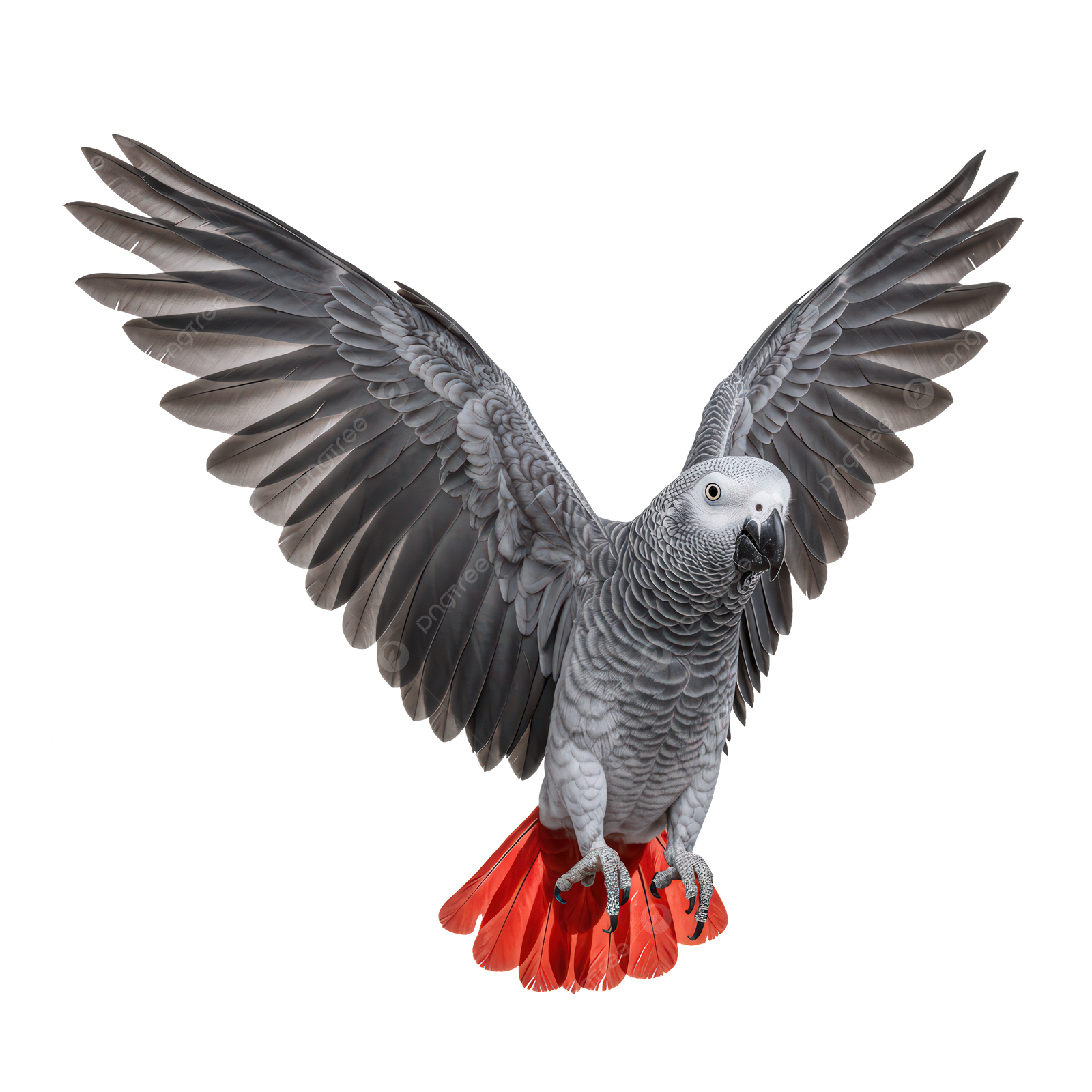
What do African Grey Parrots eat
What do African Grey Parrots eat is a question I get asked daily by new bird owners, and honestly, it is the most critical conversation we can have if you want your feathered companion to live a long, vibrant life. As someone who has spent years working with these incredibly intelligent creatures, I have learned that their diet is not just about filling a bowl—it is about providing the foundation for their immune system, feather health, and mental well-being.
Many people assume a bag of store-bought seeds is enough, but I have seen firsthand that relying on that alone is a recipe for serious health complications. These birds have high metabolic rates and specific nutritional needs that, if ignored, can lead to deficiencies that are hard to reverse later on.
Key Takeaways
- Pellets are King: A high-quality formulated pellet should make up 60–80% of your African Grey’s daily diet to ensure a consistent intake of vitamins, minerals, and amino acids.
- Fresh Produce Matters: Vegetables, legumes, and dark leafy greens should account for 20–30% of their intake, providing vital fiber and natural nutrients.
- Treats in Moderation: Fruits should be limited to about 5–10% of their diet, and nuts or seeds should be used strictly as training rewards or occasional snacks, not staple foods.
- Strictly Avoid Toxic Items: Never feed your parrot avocado, chocolate, caffeine, alcohol, onions, or apple seeds, as these can be fatal even in small quantities.
- Hydration and Routine: Always provide clean, fresh water and establish a consistent feeding schedule to keep your bird stable, healthy, and happy.
Understanding the Nutritional Pillars for Your African Grey
When we talk about what do African Grey Parrots eat, we really need to shift our mindset away from the old-school “seed-only” mentality. In the wild, these birds are foragers. They travel great distances to find a diverse array of fruits, nuts, berries, and vegetation that change with the seasons. They aren’t just eating one thing all day, every day. When we keep them in our homes, we have to simulate that variety as best we can.
I’ve found that the most successful, healthiest birds are the ones on a foundation of high-quality, scientifically formulated pellets. Think of these as a safety net—they ensure your bird is getting the necessary protein, calcium, and vitamin A that they often miss out on if they are allowed to “pick and choose” from a seed mix. If you let them choose, they will almost always go for the high-fat sunflower seeds or peanuts, which leads to obesity and long-term health issues. It is a bit like a toddler wanting only candy for dinner; you have to be the one to steer them toward the broccoli.
The Role of Fresh Vegetables and Fruits
If you are wondering what do African Grey Parrots eat to keep their feathers bright and their energy levels steady, look no further than the vegetable drawer. I always tell my clients that if they aren’t feeding their birds fresh, colorful vegetables daily, they are missing out on a huge opportunity for health.
Dark, leafy greens like kale and spinach are fantastic, but you should rotate them to keep things interesting. Carrots, sweet potatoes (cooked), and bell peppers are gold mines for Vitamin A, which African Greys are particularly prone to needing. I personally like to chop these up into a “chop” mix, which makes it harder for the bird to just pick out the one thing they like. It forces them to interact with the different textures and flavors. Fruit is great, but treat it like a dessert. It is high in natural sugar, and while our parrots love it, they really only need it in small, controlled portions.
Daily Feeding Guidelines and Managing Picky Eaters
Establishing a routine is vital. I recommend two meals a day—a larger one in the morning and a smaller, supplemental one in the evening. Most adult parrots will eat between 40 to 60 grams of food daily, but this can vary based on their activity level.
If you are struggling with a picky eater, don’t lose heart. It takes patience. Sometimes it takes offering a new food twenty times before they even touch it. I’ve had parrots look at a piece of broccoli like it was an alien invader for weeks, only to suddenly decide it was their favorite thing ever. The trick is to stay consistent, remove the old food so it doesn’t spoil, and keep offering healthy variety. They are incredibly observant; if they see you eating the same healthy vegetables they are offered, they are much more likely to show curiosity.
Top Breeders and Species Overview
When looking for a companion, it is essential to work with a breeder who focuses on weaning their chicks onto a wide, healthy diet. A bird that is only weaned onto seeds will have a much harder time adapting to a healthy lifestyle than one introduced to pellets and fresh produce early on.
Recommended Breeding Standards
- Health Transparency: Always ask the breeder what the parents are fed and what the chick is currently eating.
- Socialization: A well-socialized parrot is more adventurous, which extends to their eating habits.
- Species Focus: While we focus on the Congo African Grey and Timneh African Grey, both require the same fundamental nutritional approach despite their slight size differences.
If you are looking to bring one of these magnificent birds into your home, ensure you are choosing a breeder who provides a “starter diet” plan. It makes your transition so much smoother.
Frequently Asked Questions
Can I give my African Grey parrot human food from my plate?

Generally, you should be very careful. While they can safely eat some cooked grains, beans, or fresh produce you are having, you must avoid anything with added salt, sugar, butter, oil, or spices. And, of course, you must never share anything containing avocado, chocolate, caffeine, onions, or garlic, as these can be extremely toxic to a bird’s delicate digestive and organ systems. Always stick to plain, unprocessed, bird-safe ingredients if you want to share a snack.
Conclusion
At the end of the day, knowing what do African Grey Parrots eat is the first step in a long, rewarding relationship. By focusing on a base of high-quality pellets, adding a rich variety of fresh vegetables, and keeping high-fat treats to a minimum, you are giving your bird the best possible chance to thrive for decades. Remember, their health is largely in your hands. Be consistent, be patient with their picky phases, and always prioritize fresh, natural foods over processed snacks. If you are ready to start this journey or looking for a healthy, well-started companion, feel free to reach out to us at our website for more guidance on raising these incredible birds.