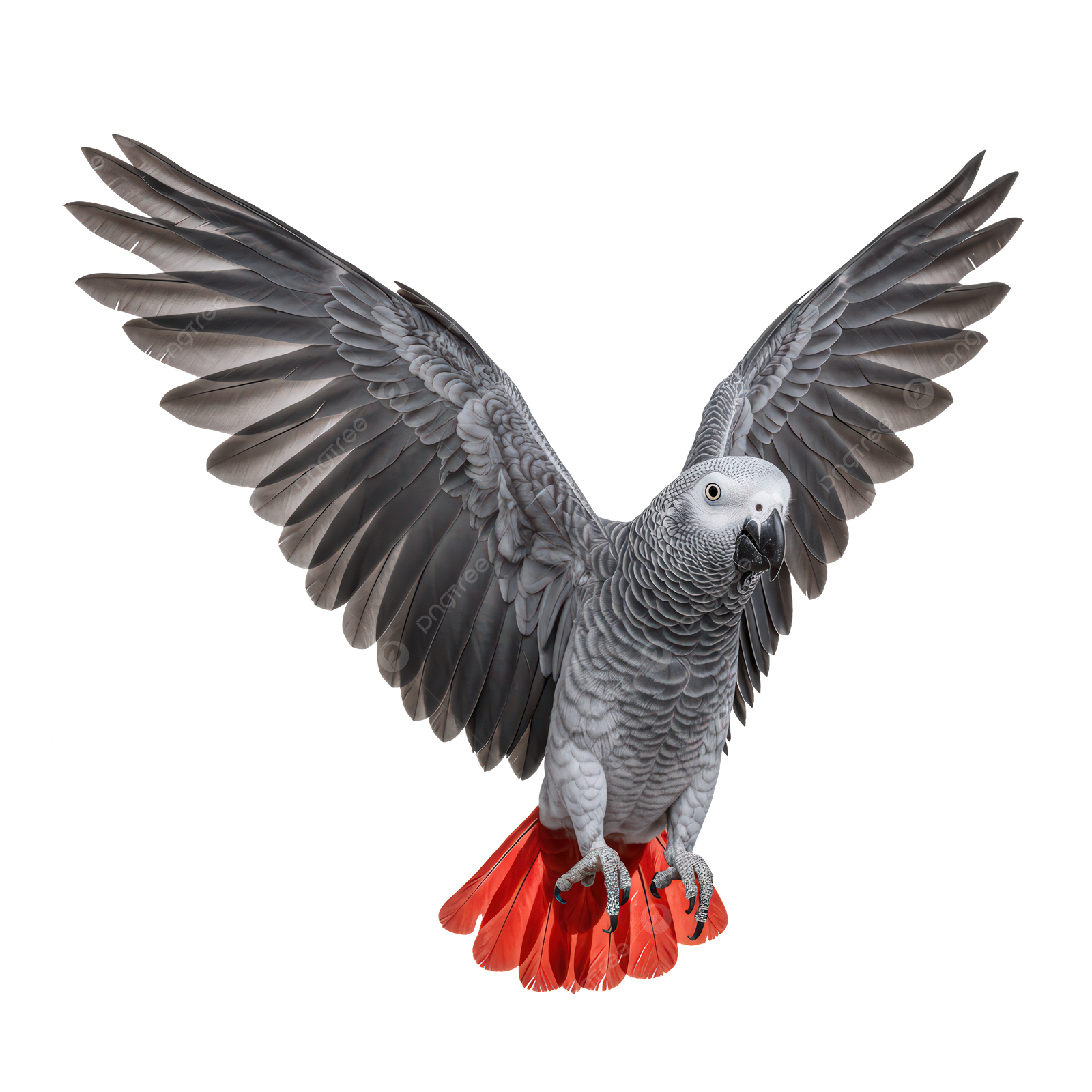
Are African Grey Parrots good talkers
Are African Grey Parrots good talkers? As someone who has spent years working with these incredible birds, I can tell you that “good” is an understatement—they are, without a doubt, the most accomplished talkers in the entire avian world. When you bring an African Grey into your home, you aren’t just getting a pet that mimics sounds; you are inviting a highly intelligent companion that can learn hundreds of words, understand the context of what they’re saying, and potentially even hold a conversation with you.
It’s a profound experience to realize that your bird isn’t just repeating a phrase they heard on the TV, but is actually using that language to express a desire for a treat, a greeting when you walk in the door, or even a comment on the current mood in the house.
Key Takeaways
- Elite Mimicry: African Greys are widely regarded as the most advanced talking parrot species, often surpassing others in both vocabulary size and clarity.
- Beyond Mimicry: These birds don’t just repeat sounds; they can learn to associate specific words with objects, colors, and even concepts like “want” or “no,” demonstrating a level of cognitive understanding that rivals that of a human toddler.
- Individual Variability: While the species is famous for talking, every bird is an individual—some may become chatty conversationalists, while others prefer to express themselves through whistles, environmental sounds, or silence.
- Consistency is Key: Helping your bird reach their full speaking potential requires a patient, consistent routine where you pair words with actions, experiences, and social rewards.
The Talking Mastery of African Grey Parrots
When I’m asked “Are African Grey Parrots good talkers?” I often think back to the birds I’ve raised from chicks. It’s fascinating to watch that developmental journey. Usually, within their first year of life, they begin to find their voice. It starts with simple babbles, then perhaps a perfect imitation of a microwave beep or a phone ring—they are experts at picking up the “noises” of a home—before they move into actual human speech.
I think the real magic happens when they start to realize that speech has power. When they say “apple” and get an apple, the lightbulb goes off. That’s when you stop just having a bird that makes noise and start having a partner that communicates. Because their vocal apparatus—the syrinx—is so complex, they can manipulate pitch, tone, and rhythm with incredible accuracy. It’s why they sound so much like us, rather than like a computer-generated voice.
Why Are They Such Prolific Talkers?
It’s not just about their biology. Their intelligence is the real driver here. In the wild, these birds are highly social creatures that rely on vocalizations to maintain bonds within their flock. When they come into our homes, we become their flock. They are naturally wired to learn the sounds of their companions to stay connected.
- Memory Retention: Their memory is simply staggering. They can hold onto sounds and words for years.
- Emotional Intelligence: They seem to pick up on the emotion behind our words. If you use a word with excitement, they are far more likely to adopt it into their permanent vocabulary.
- Contextual Understanding: They don’t just speak at random; many owners find their Greys specifically call out names or phrases at appropriate times.
Breeding and Selection: Finding Your Talker
At Macaw Parrots For Sale, we focus on raising birds that are confident and well-socialized. I always tell my clients that while you can’t “guarantee” a bird will become a world-class talker, giving them the right environment is half the battle. A bird that feels safe, loved, and constantly engaged is a bird that wants to talk.
User Guide: Encouraging Speech
If you want to maximize your parrot’s speaking ability, keep these tips in mind:
- Keep it Simple: Start with short, meaningful words like “hello,” “up,” or “goodnight.”
- Be Consistent: Use the same tone and phrase every time you perform a specific action, like feeding or leaving the room.
- Engage, Don’t Drill: Avoid repetitive “robot” training. They learn best when they are happy and part of the action.
- Listen to Them: If they make a sound, mimic it back! It shows them that you are listening, which encourages them to keep interacting.
A Note on Individual Personalities
I have to be honest—sometimes, people come to me looking for a “guaranteed” talker. While I understand the appeal, I always remind them that every parrot is an individual. I’ve known some Greys who would rather spend their day whistles a beautiful tune or imitating the rustle of a bag of chips than saying “hello.” Whatever their preferred method of communication, they are all brilliant, and the joy of living with them comes from the bond you build, regardless of whether they ever learn to say your name.
Conclusion: Are You Ready for the Conversation?
So, are African Grey Parrots good talkers? They are arguably the best. But more importantly, they are incredible companions who will fill your life with curiosity, laughter, and sometimes even a bit of sass. If you are looking for a pet that will truly interact with you, challenge you, and surprise you, there is nothing quite like an African Grey. We are dedicated to providing healthy, well-adjusted birds that are ready to become a part of your family’s story. If you’re ready to welcome one of these feathered geniuses into your home, we are here to guide you through the process of selecting the right companion for your lifestyle.
Frequently Asked Questions
Q: Are African Grey Parrots good talkers, or do they just mimic sounds indiscriminately?

A: While African Greys are exceptional mimics of environmental sounds—like doorbells, alarms, and household noises—they are unique in their ability to progress far beyond simple mimicry. Through consistent, positive interaction and training, many Greys learn to use words and short phrases in the correct context, such as asking for a specific food or greeting you when you enter the room. Their ability to associate words with meaning is what elevates them from being merely “noisy” to being considered truly conversational companions, though, as with any individual animal, the depth and volume of their vocabulary can vary from bird to bird.